The most common water damage in Houston homes does not come from storms — it comes from appliances. Clogged AC condensate drain lines are the metro's signature slow leak: the long cooling season grows algae in drain lines, the overflow pan spills, and water runs into ceilings and walls for weeks. Behind them come water heater failures, burst washing machine hoses, dishwasher leaks, and ice maker supply lines.
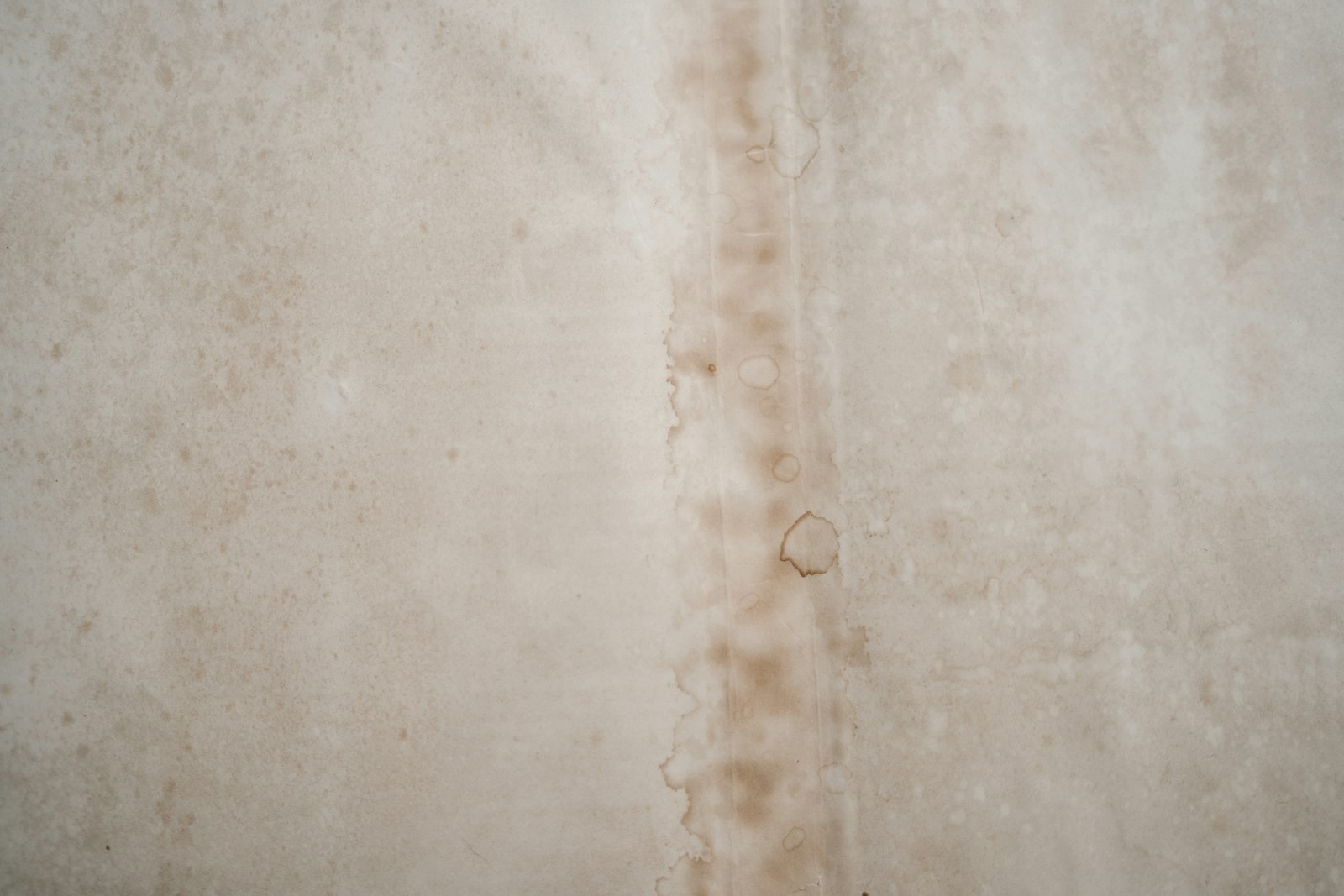
Slow leaks are deceptive precisely because they are slow — soaking subfloors, cabinets, and wall cavities long before anyone notices a puddle. By the time you see damage, the hidden damage is usually larger. BayouDry connects you with a local restoration contractor who pulls the appliance, maps the moisture, dries what is wet, and repairs floors, walls, and cabinets.
Appliance Leak Cleanup at a glance
- Best for
- Water pooling around an appliance
- Includes
- Inspection, extraction, drying, repairs
- Service area
- Houston & 15 more Greater Houston cities
- Quote
- Free, written, no obligation
Signs
Signs you need appliance leak cleanup
Water pooling around an appliance
Recurring puddles near the washer, dishwasher, fridge, or water heater mean an active leak — not condensation, not a one-time spill.
A musty smell near the laundry or kitchen
Odor around appliances signals moisture trapped behind or beneath them, often with mold already growing in the hidden space.
Warped flooring in front of the dishwasher or fridge
Buckling or discolored flooring at the appliance's edge marks water migrating out from underneath — the damage under the unit is worse.
The water heater is rusting or dripping
Rust streaks, a dripping relief valve, or water at the base mean the tank is failing. Water heaters rarely leak a little for long.
AC drain line backing up or overflowing the pan
Water in the emergency drain pan or overflowing it means the primary line is clogged — a Houston classic that floods ceilings if ignored.
Process
What the specialist does, step by step
- 1
Source identification and shutoff
The contractor identifies which appliance or line failed and confirms the water supply is shut off before work begins.
- 2
Extraction and appliance area access
Standing water is extracted, and the appliance is pulled out so the hidden area behind and beneath it can be assessed.
- 3
Hidden moisture drying
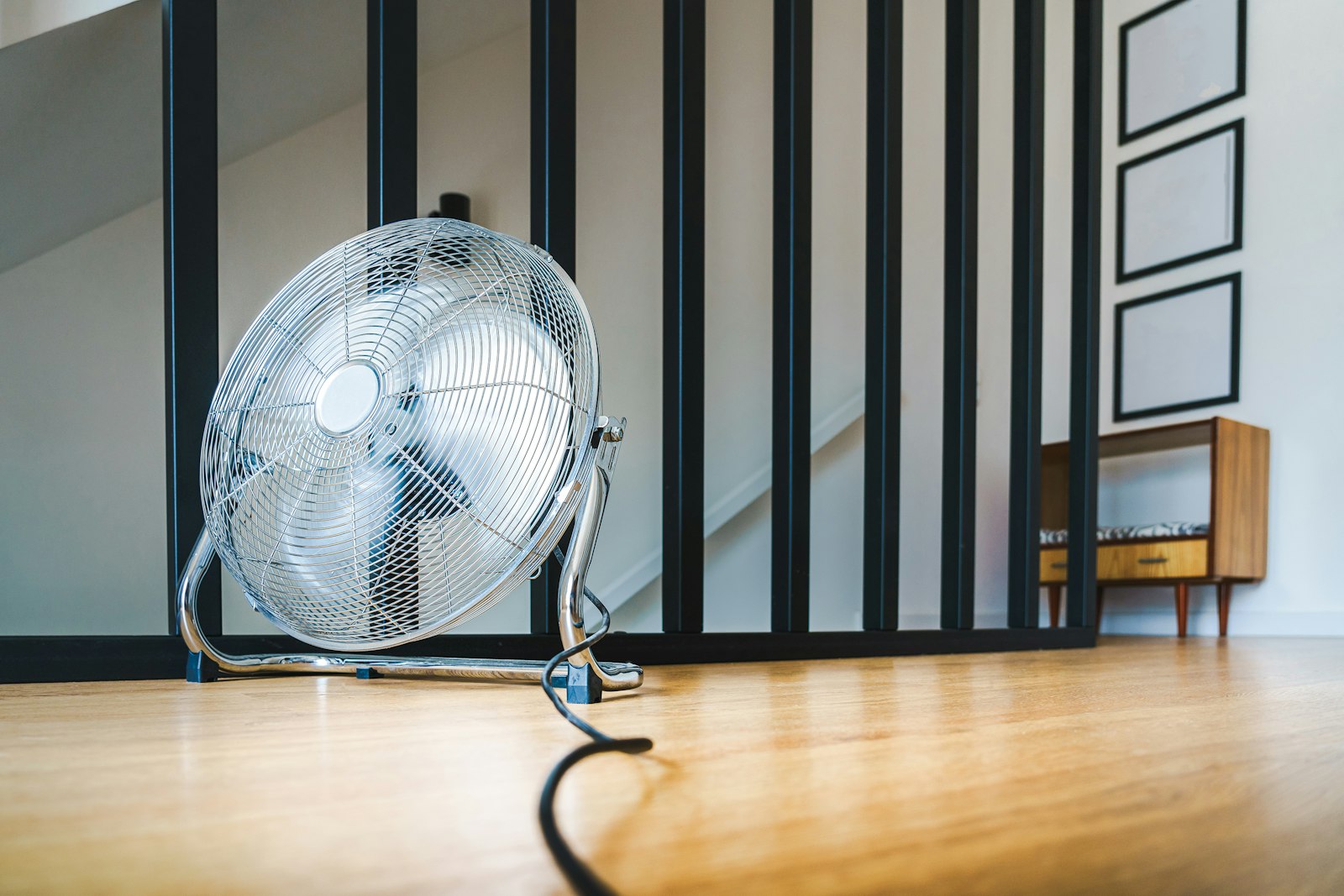
Moisture meters map the full extent — subfloor, cabinets, wall cavities — and targeted drying brings everything back to its dry standard.
- 4
Repair and prevention advice
Damaged flooring, drywall, and cabinetry are repaired, and the contractor advises on prevention — drain line maintenance, hose upgrades, pan alarms.
Cost
What affects the price
Every situation is different — here's what a specialist weighs when planning.
- How long the leak ran undetected
- How far the water traveled — subfloor, cabinets, and wall cavities
- The type of flooring affected
- Mold growth behind or under the appliance
- Appliance replacement itself, which is a separate trade
The only way to know your price is a written quote — they're free.
Safe to DIY
- Shut off the appliance's water supply valve
- Turn off power to the appliance if water reached electrical parts
- Mop up visible water and pull the appliance out if you can do so safely
- Check and clear your AC condensate drain line regularly — algae clogs are common in Houston
- Replace rubber washing machine hoses with braided steel lines
When to call a specialist immediately
- Do not ignore a small puddle that keeps coming back
- Do not run a leaking dishwasher or washing machine one more time
- Do not push the appliance back before the area behind it is dry
- Do not assume the floor under the appliance is fine — check it
- Do not use the appliance again until the leak source is fixed
FAQ
Appliance Leak Cleanup questions
Clogged AC condensate drain lines — Houston's long cooling season grows algae in drain lines, and the overflow pan eventually spills into ceilings and walls. Water heater failures and washing machine hoses are close behind.
Yes — slow leaks are often worse than sudden ones because they soak subfloors, cabinets, and wall cavities for weeks before anyone notices. By the time you see damage, the hidden damage is usually larger.
No — your restoration contractor handles the water damage: extraction, drying, and repair of floors, walls, and cabinets. Appliance repair or replacement is a separate trade, sequenced after the area is dry.