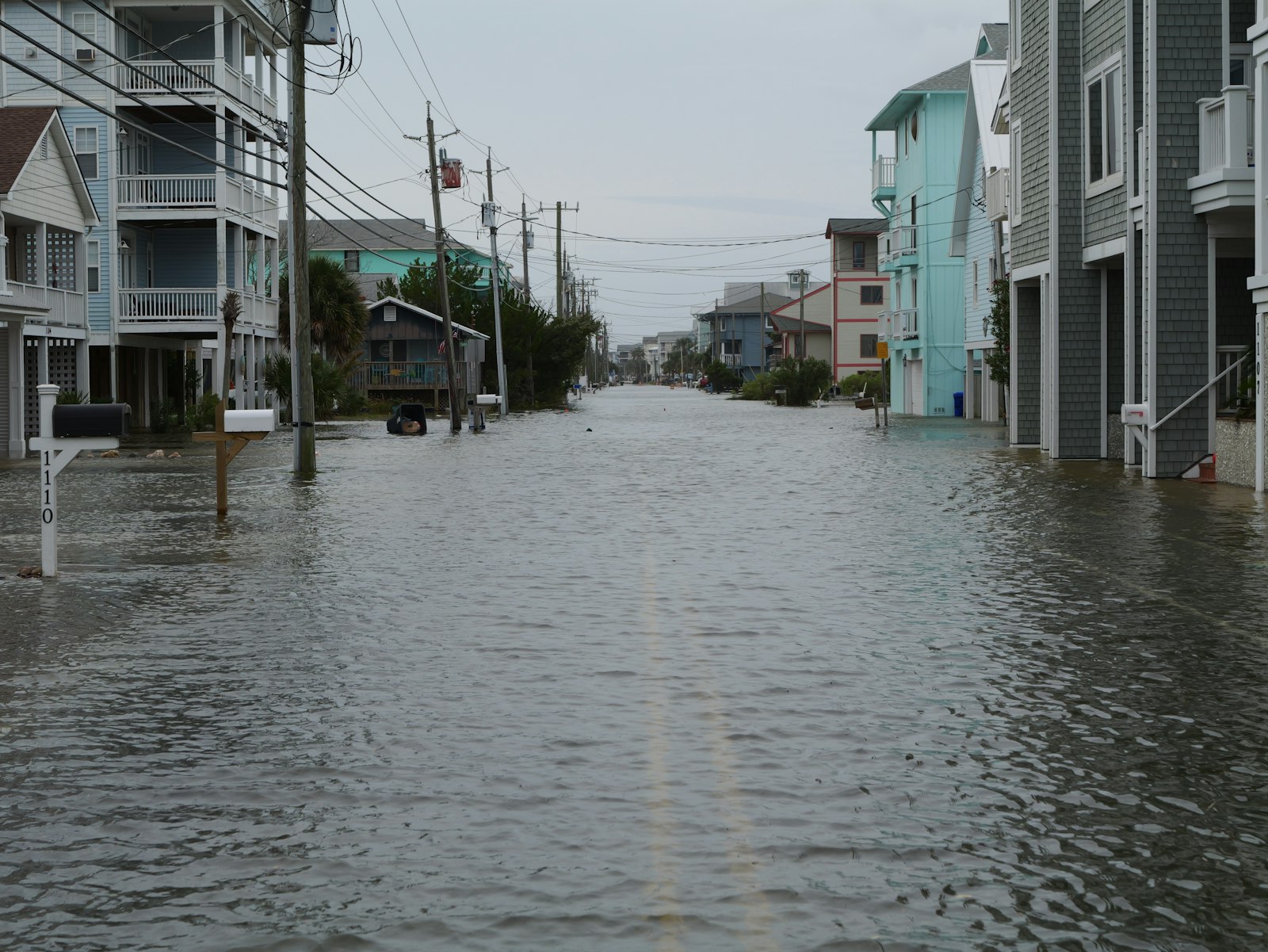
Houston's heavy downpours can overwhelm municipal sewer lines and push sewage into low-lying homes, especially in older neighborhoods like the Heights and Montrose where clay pipes and root intrusion are common. Shifting clay soil cracks lines over time, and one bad storm is all it takes for black water to come up through tubs, showers, and floor drains.
What comes up is not just dirty water — it is a genuine health hazard that contaminates everything porous it touches: carpet, drywall, insulation, and belongings. BayouDry connects you with a local restoration contractor who treats a backup like the hazard it is: extraction with professional equipment, removal of what cannot be restored, disinfection of what can, and structural drying so mold does not follow the sewage.
Sewage Backup Cleanup at a glance
- Best for
- Drains backing up with dark or foul water
- Includes
- Inspection, extraction, drying, repairs
- Service area
- Houston & 15 more Greater Houston cities
- Quote
- Free, written, no obligation
Signs
Signs you need sewage backup cleanup
Drains backing up with dark or foul water
Water rising in tubs, showers, or floor drains — especially dark or foul-smelling — is a sewage backup until proven otherwise. Stop using the plumbing and call.
A sewage smell followed heavy rain
Houston downpours can overwhelm sewer lines and push sewage into homes. If the smell arrived with the storm, treat it as contamination.
A toilet or tub overflowed
Overflows past the bowl contaminate flooring and baseboards. What looks like a small spill often reaches the subfloor and wall cavities.
Gurgling drains throughout the house
Gurgling from multiple fixtures at once usually signals a main-line problem, not a single clogged drain. Do not keep running water to test it.
A previous backup was only surface-cleaned
Lingering odor after a past backup means contamination was missed — often in wall cavities, under flooring, or in the HVAC. Professional remediation finds it.
Process
What the specialist does, step by step
- 1
Stop the source and contain
All plumbing use stops, the affected area is contained, and the contractor identifies whether the cause is a blockage, a broken line, or storm-driven intrusion.
- 2
Black-water extraction
Standing sewage is extracted with professional equipment under containment, with protective measures appropriate for Category 3 water.
- 3
Removal of contaminated materials
Porous materials that contacted sewage — carpet and pad, affected drywall, insulation — are removed, bagged, and disposed of as contaminated waste.
- 4
Disinfection and structural drying
All remaining surfaces are disinfected with professional-grade products, then the structure is dried and verified with moisture readings.
Cost
What affects the price
Every situation is different — here's what a specialist weighs when planning.
- How much of the property the sewage reached and how long it sat
- How much drywall, insulation, flooring, or cabinetry must be removed
- How long the sewage sat before cleanup began
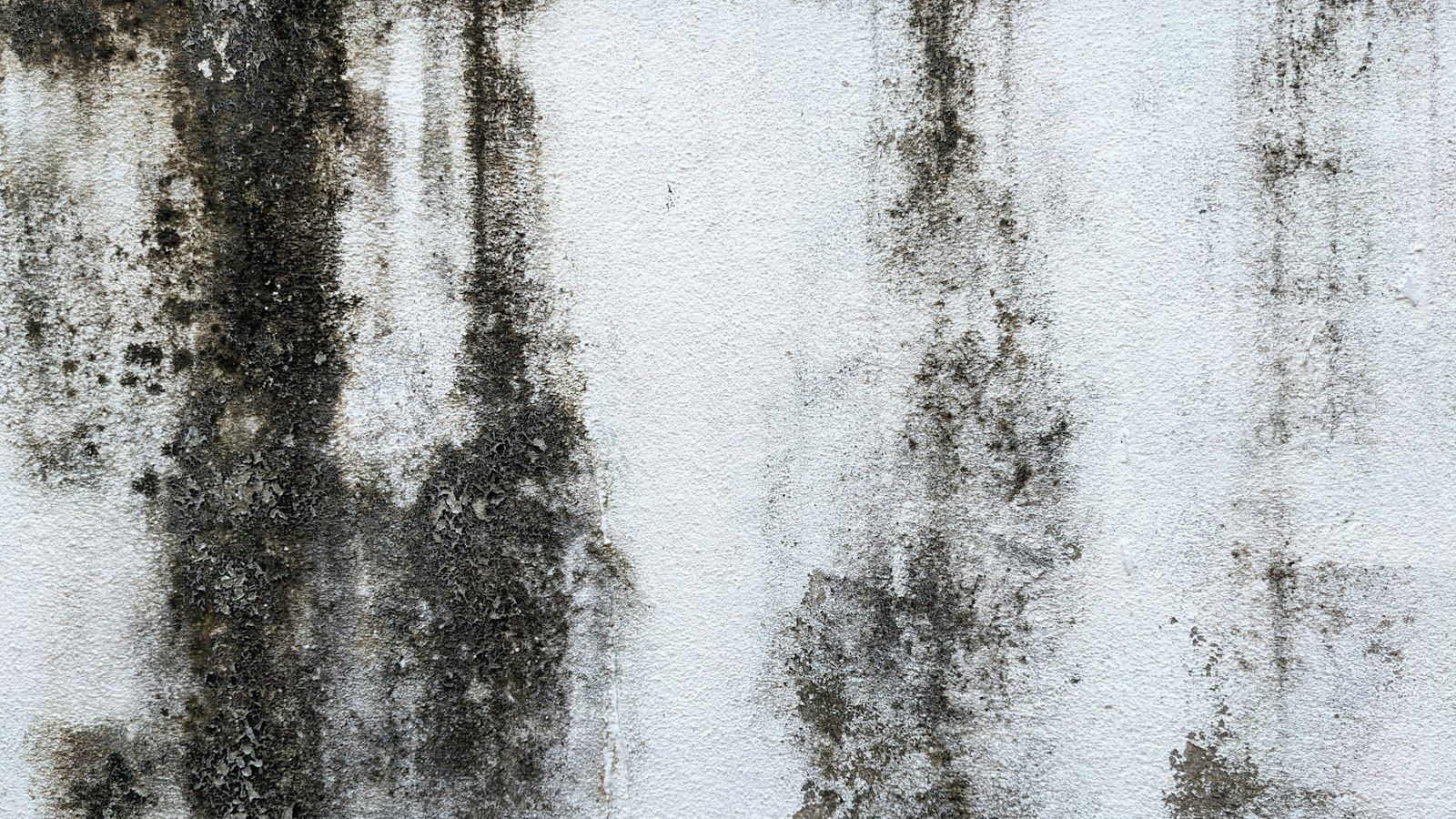
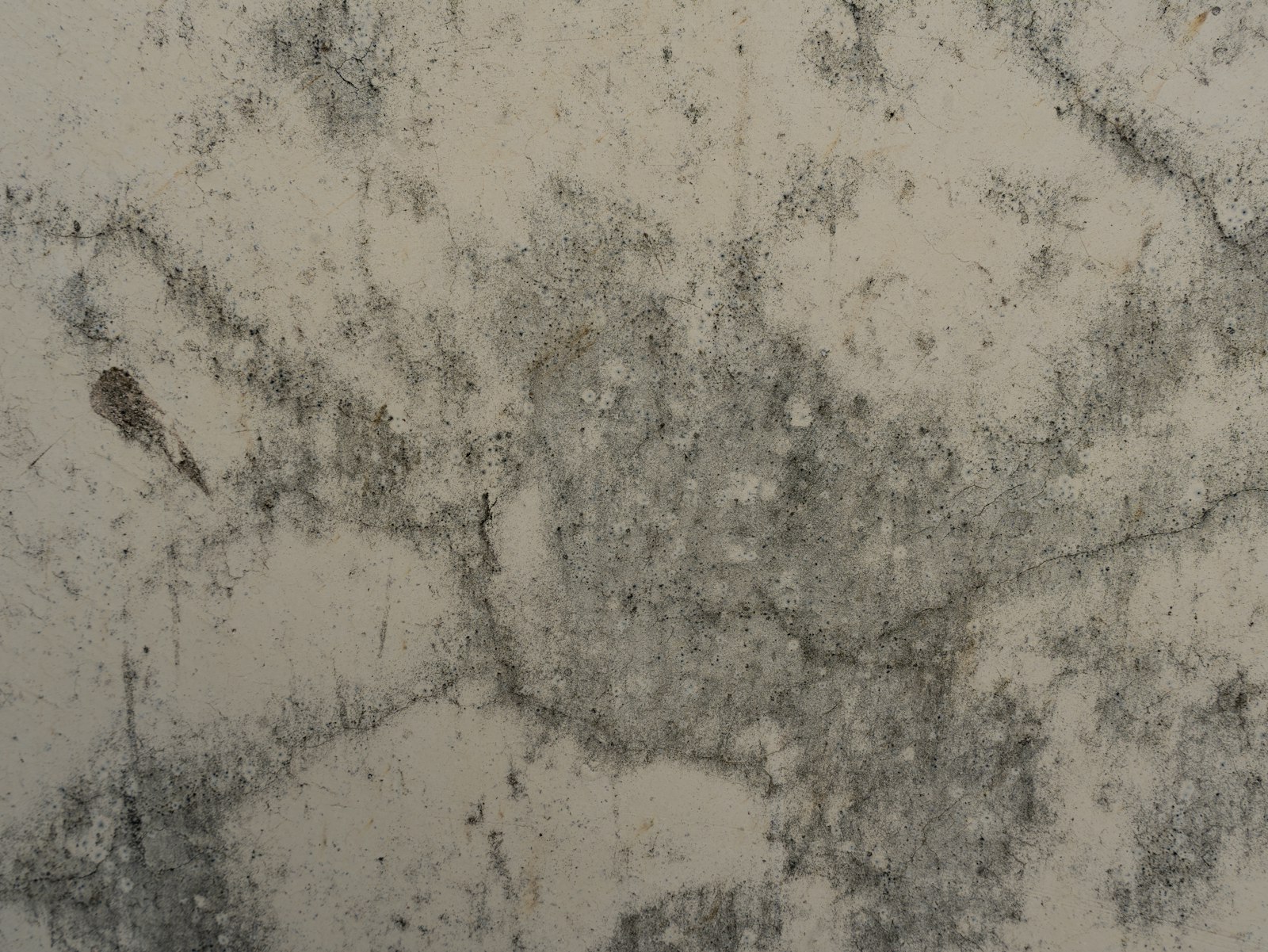
- Drying needs in Houston's humid conditions, where mold follows quickly
- Content handling — cleaning salvageable belongings versus discarding contaminated items
The only way to know your price is a written quote — they're free.
Safe to DIY
- Stop using all plumbing — sinks, toilets, showers
- Keep people and pets away from the affected area
- Turn off the HVAC if sewage reached vents or the air handler
- Photograph the damage for insurance
- Open windows for ventilation if the weather allows
When to call a specialist immediately
- Do not touch or wade in sewage — it is a genuine health hazard
- Do not mop it up and call it done — contamination hides in porous materials
- Do not use household fans to dry sewage — they spread contaminants
- Do not flush or run water to test the drains
- Do not delay — bacteria multiply and odor sets into materials
FAQ
Sewage Backup Cleanup questions
Standard policies often exclude it unless you carry a water-backup endorsement. Check your policy — and get documentation from your contractor either way, since the claim process needs it.
Hard, non-porous surfaces can usually be disinfected. Porous materials that contacted sewage — carpet and pad, affected drywall, insulation — must be removed. Your contractor makes the call item by item.
Dark color, foul odor, or origin from a drain, toilet, or sewer line all point to black water. When in doubt, treat it as a hazard and let a specialist assess it.