Houston is built for mold: Gulf humidity, flood events, slow leaks inside walls, and AC systems that run most of the year. Mold can begin growing within 24 to 48 hours of moisture exposure, which is why every unfinished drying job in this metro eventually becomes a mold job. It hides on the back of drywall, in insulation, under flooring, and inside HVAC-adjacent cavities.
Remediation is a process, not a spray bottle. The affected area is contained so spores do not spread through the home, mold-damaged porous materials are removed, remaining surfaces are cleaned with professional methods, and — critically — the moisture source is fixed so the growth does not return. BayouDry connects you with a local water-damage specialist who follows that sequence start to finish.
Mold Remediation at a glance
- Best for
- Visible mold growth on walls, ceilings, or baseboards
- Includes
- Inspection, extraction, drying, repairs
- Service area
- Houston & 15 more Greater Houston cities
- Quote
- Free, written, no obligation
Signs
Signs you need mold remediation
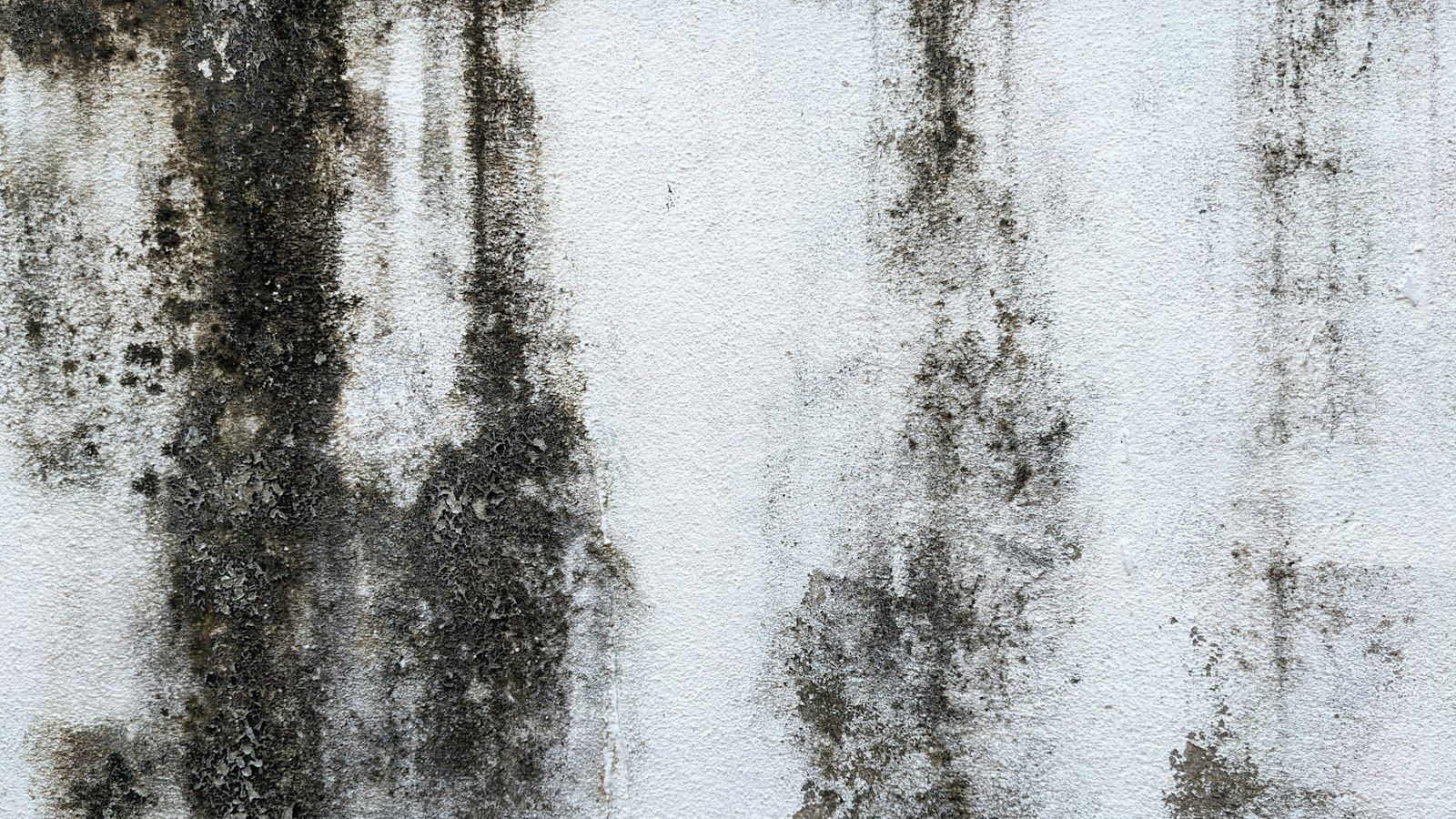
Visible mold growth on walls, ceilings, or baseboards
Visible growth is only part of the colony — what you see usually extends further inside the material or cavity behind it.
Musty odor that will not go away
A persistent musty smell with no visible source means hidden growth — behind drywall, under flooring, or in a wall cavity.
Mold returned after a previous cleanup
Regrowth means the moisture source was never fixed or the first cleanup only treated the surface. Professional remediation addresses the cause.
Water damage that was never professionally dried
Any leak or flood that skipped the drying phase is a mold site in waiting — especially in Houston's humidity.
Condensation problems around windows or AC vents
Chronic condensation feeds surface mold on sills, vents, and surrounding drywall. The moisture pattern points to the fix.
Process
What the specialist does, step by step
- 1
Inspection and moisture source identification
The specialist locates all growth — visible and hidden — and identifies the moisture feeding it. No remediation plan works without this step.
- 2
Containment
The work area is sealed off with barriers and negative air pressure so spores do not spread to clean parts of the home during removal.
- 3
Removal and cleaning
Mold-damaged porous materials are removed and disposed of; remaining structural surfaces are cleaned with professional methods.
- 4
Drying, verification, and prevention
The area is dried to its moisture standard, the work is verified, and the moisture source is addressed so the problem does not recur.
Cost
What affects the price
Every situation is different — here's what a specialist weighs when planning.
- The size of the affected area
- The location of the growth — surface mold versus mold inside wall cavities or HVAC
- The materials involved — drywall, wood, concrete
- Moisture-source repair — remediation without fixing the water is temporary
- Post-remediation verification testing, if requested
The only way to know your price is a written quote — they're free.
Safe to DIY
- Fix the moisture source if it is simple — a dripping pipe, a clogged AC drain
- Run the AC and exhaust fans to lower indoor humidity
- Keep the affected area undisturbed until a contractor assesses it
- Photograph the growth for your records
- Move unaffected belongings away from the area
When to call a specialist immediately
- Do not bleach large mold patches — bleach does not reach roots in porous materials and the problem returns
- Do not disturb large areas of mold without containment — you spread spores through the house
- Do not paint over mold
- Do not run the HVAC if mold may be in the ductwork
- Do not ignore the moisture source — remediation without fixing the water is temporary
FAQ
Mold Remediation questions
The goal of remediation is to remove active growth and return the area to a normal condition — not to sterilize the home, since mold spores exist everywhere. A professional removes the growth, cleans the area, and fixes the moisture that fed it.
Mold can begin growing within 24 to 48 hours of moisture exposure, which is why fast drying after any leak or flood matters so much in Houston's humid climate.
A visual inspection and moisture assessment usually identify the problem. Independent testing can be useful for large infestations, real estate transactions, or post-remediation verification — your contractor advises whether it is warranted.