mold
Mold After Water Damage: What to Know
Updated 2026-10-13
Short answer
Mold can begin growing on wet materials within 24 to 48 hours, which is why fast, verified drying is the best mold prevention there is. Professional mold remediation follows a defined process: inspection and moisture mapping, containment of the affected area, removal of materials that cannot be cleaned, HEPA-filtered cleaning of salvageable surfaces, and verification that the moisture source is resolved. Surface cleaning without fixing the moisture behind it does not work.
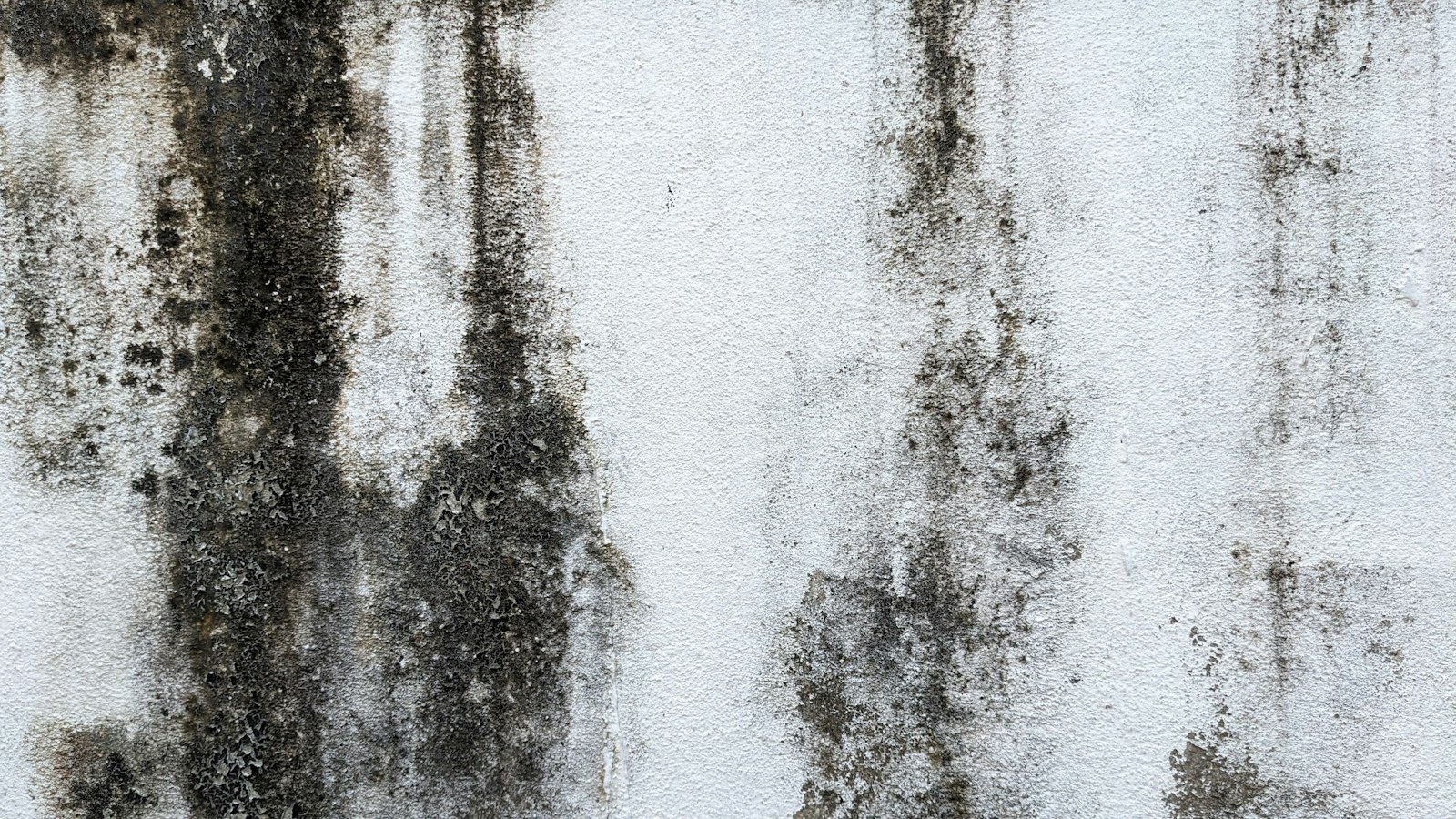
How water damage becomes a mold problem
Mold needs three things: moisture, a food source, and time. Water damage supplies the moisture; drywall paper, wood, dust, and carpet backing supply the food. The only variable you control is time — which is why drying within the first day or two usually prevents mold entirely.
The trouble spots are the ones you cannot see. Water wicks up drywall, soaks insulation inside wall cavities, and sits under flooring — all places where mold grows hidden for weeks before anyone notices a smell or a stain. This is why moisture mapping matters: finding the wet materials you cannot see.
Houston's humidity adds to the challenge. Even after the initial water is extracted, high ambient humidity slows drying and gives mold more time. Professional dehumidification during the drying phase is doing double duty: drying the structure and closing the window for mold.
Signs you may have a mold problem
A persistent musty or earthy odor is the most common early sign — especially one that is stronger in a particular room or when the HVAC runs. Visible growth can appear as discoloration on drywall, baseboards, or ceilings, but much of it stays hidden.
Other clues: paint bubbling or peeling in a spot with no obvious leak, drywall that feels soft, or a water stain that keeps growing. If you had water damage that was never professionally dried, assume the hidden materials deserve an inspection.
Note what this guide does not do: it does not diagnose health effects. If anyone in the household has concerns about mold exposure, that is a conversation for a medical professional, not a restoration website.
- Persistent musty or earthy odor, especially in one area
- Discoloration on walls, ceilings, or baseboards
- Bubbling paint or soft drywall with no visible leak
- A water event that was never professionally dried
What professional mold remediation involves
Remediation starts with inspection and moisture mapping to find the full extent of growth — including what is behind walls and under flooring. The contractor also identifies and fixes the moisture source; remediation without source control is temporary.
The affected area is then contained with plastic sheeting and negative air pressure so spores and dust do not spread through the house during the work. HVAC vents in the area are sealed. Containment is what separates professional remediation from someone wiping a wall with a sponge.
Porous materials with growth — drywall, insulation, carpet padding — are removed and bagged for disposal. Non-porous and semi-porous surfaces that can be cleaned get HEPA vacuuming and antimicrobial treatment. The work ends with verification: visual inspection and moisture readings confirming the area is dry and clean.
- Inspection, moisture mapping, and source identification
- Containment with negative air pressure during work
- Removal of porous materials that cannot be cleaned
- HEPA cleaning and antimicrobial treatment of salvageable surfaces
- Verification that the area is dry and the source is fixed
What does not work (and what makes it worse)
Bleach on drywall is the classic mistake. It may lighten the surface stain, but it does not reach mold roots in porous materials, and the water in the bleach solution can feed the problem. Surface bleaching creates the appearance of a fix while the growth continues underneath.
Painting over mold without remediation is equally ineffective — growth continues behind the paint and eventually pushes through. Any contractor who suggests sealing it in without removal is cutting the corner that matters most.
Running the HVAC normally during active growth can distribute spores through the ductwork. This is one reason containment and vent sealing are part of the professional process, and why the duct system may need inspection after remediation.
Preventing mold after the next water event
The prevention playbook is short: extract water fast, dry the structure with professional equipment, and verify dryness with moisture meters. Almost every mold job traces back to a water event that was cleaned on the surface but never dried in the structure.
In Houston, manage indoor humidity as a standing habit. Air conditioning handles much of it, but during mild months when the AC runs less, humidity can climb — a standalone dehumidifier in moisture-prone areas helps.
After any future leak or flood, remember the 24-to-48-hour window. Calling a restoration contractor the same day is not overreacting; it is the move that keeps a water job from becoming a mold job.
Common questions
Growth can begin within 24 to 48 hours on wet porous materials like drywall and carpet backing. That timeline is why same-day extraction and professional drying matter so much — drying beats the clock that surface cleaning cannot.
Small surface mold on hard, non-porous materials like tile can sometimes be cleaned by a homeowner, but growth on drywall, wood, or in wall cavities needs professional remediation with containment. Bleach does not work on porous materials, and disturbing a larger colony without containment spreads it.
It depends on the cause and your policy. Mold resulting from a covered sudden water event is often included, while mold from long-term leaks or maintenance issues usually is not. Some policies cap mold coverage specifically. Document the water event thoroughly and ask your adjuster before authorizing work.
Process information only; this guide does not address health effects of mold exposure — consult a medical professional with health concerns.