drying
Drying Hardwood Floors After Water Damage
Updated 2026-10-13
Short answer
Hardwood floors can often be saved after water damage if extraction and professional drying start quickly — cupping that appears in the first days frequently flattens back as the wood dries. The process uses specialized floor-drying mats that pull moisture from the wood and subfloor, with moisture meters tracking progress over several days. Floors left wet too long develop permanent cupping, buckling, or rot and must be replaced. Speed is the deciding factor.
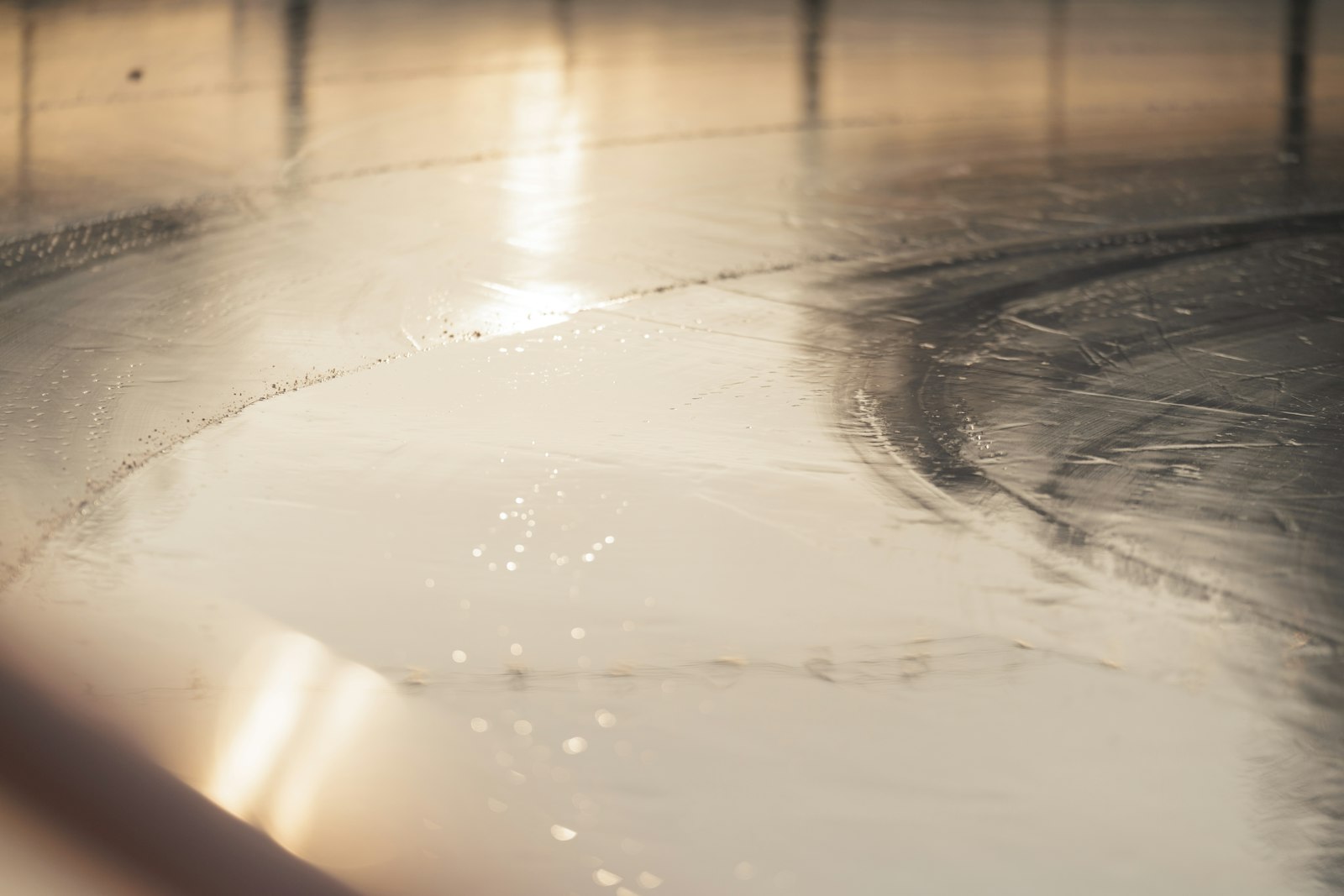
How hardwood reacts to water
Hardwood is hygroscopic — it absorbs and releases moisture with its environment. When the top of a plank gets wet while the bottom stays dry, the top swells and the edges lift, creating the washboard look called cupping. When the whole plank saturates, it can crown (center rises) or buckle (lifts off the subfloor entirely).
Cupping that appears quickly after a water event is often reversible: as the wood dries evenly, the planks relax back toward flat. Buckling and long-term saturation are different — once the wood's structure is damaged or the subfloor swells permanently, drying alone will not fix it.
The subfloor matters as much as the finish floor. Water trapped between hardwood and subfloor keeps feeding moisture upward, which is why surface drying with household fans fails — the visible floor looks dry while the assembly underneath stays wet.
Why speed decides save versus replace
The first hours are about removing surface water — towels, wet/dry vacuums, anything that gets standing water off the floor fast. Every hour of standing water drives moisture deeper into the planks and subfloor.
Within the first day or two, professional drying gives the best odds. Contractors use floor-drying mat systems that seal against the hardwood and draw moisture from the wood and subfloor with negative pressure, paired with dehumidifiers that keep the room's humidity low so the moisture has somewhere to go.
After roughly a week of saturation — less in Houston's humidity — the odds shift. Planks that have been swollen too long may not return to flat, finishes may be permanently damaged, and mold can establish under the flooring where it is invisible. A contractor's moisture readings tell you honestly where you stand.
- Remove standing water immediately — hours matter
- Professional mat drying works best in the first days
- Moisture meters determine whether the floor is recoverable
- Long saturation usually means replacement, not drying
What professional hardwood drying looks like
The contractor starts with moisture readings of the hardwood and subfloor to establish a baseline and determine whether drying is viable. If the subfloor is swollen beyond recovery or mold is already established underneath, the honest answer is replacement — and it is better to hear that on day one than day five.
When drying proceeds, mat systems cover the affected area and run for several days while dehumidifiers condition the room. The contractor returns to check readings and reposition mats. The process ends when the wood reaches the target moisture content for your home's normal conditions — not when it merely feels dry.
After drying, cupping that has not fully relaxed can often be addressed with light sanding and refinishing. A contractor who handles the full process will tell you up front whether refinishing is likely needed so you can plan for it.
When replacement is the right call
Replacement becomes the answer when planks are buckled off the subfloor, the subfloor itself is swollen or delaminated, mold has grown under the flooring, or the wood has been saturated so long that it will not return to flat. Trying to save a floor in these conditions wastes the drying cost and delays the inevitable.
Engineered hardwood with a thin veneer is harder to save than solid hardwood — sanding and refinishing are often not possible, and the layered construction separates when saturated. Know what kind of flooring you have before assuming it can be dried.
If replacement is needed, the contractor removes the damaged flooring and subfloor as required, dries the structure beneath, and installs new flooring. Matching existing floors in adjacent rooms is part of the scope — ask how the contractor handles transitions and finish matching.
Protecting hardwood going forward
Once restored, keep indoor humidity in a moderate range — Houston's climate pushes the high side, so air conditioning and dehumidification during humid months protect the investment. Large swings in humidity stress hardwood and reopen the door to cupping.
Address the water source, not just the floor. A dried floor over an unfixed leak is a floor that will be wet again. Make sure the plumbing, appliance, or roof issue that caused the damage is fully resolved.
Consider area rugs with breathable pads in spill-prone areas, and keep an eye on the spots that flooded before — they are the early-warning locations for any future problem.
Common questions
Often yes, if drying starts quickly. Early cupping frequently flattens as the wood dries evenly under professional equipment. A contractor's moisture readings determine whether your floor is a drying candidate or a replacement case — cupping alone is not a verdict.
Typically three to seven days of mat drying with dehumidification, depending on how saturated the wood and subfloor are. The contractor monitors moisture readings and ends the process when the wood reaches target moisture content, not on a fixed schedule.
Sometimes. Drying restores moisture content, but cupping that does not fully relax and finish damage from the water may need light sanding and refinishing. Your contractor should assess this after drying is complete and tell you what to expect.