Water finds drywall from every direction in Houston. Roof leaks after hurricanes and hailstorms stain ceilings; burst pipes soak walls from the inside; upstairs bathroom leaks drip through to the rooms below; and clogged AC drain lines — one of the metro's most common water sources — overflow pans into attic ceilings. Drywall's paper facing and gypsum core absorb it all.
Saturated drywall cannot simply be dried back to strength — it crumbles, and its paper facing feeds mold. BayouDry connects you with a local restoration contractor who removes what is ruined, dries the cavity behind it, replaces insulation where needed, and rebuilds with texture matched to your existing walls — orange peel, knockdown, or smooth.
Drywall & Ceiling Restoration at a glance
- Best for
- Brown or yellow stains on walls or ceilings
- Includes
- Inspection, extraction, drying, repairs
- Service area
- Houston & 15 more Greater Houston cities
- Quote
- Free, written, no obligation
Signs
Signs you need drywall & ceiling restoration
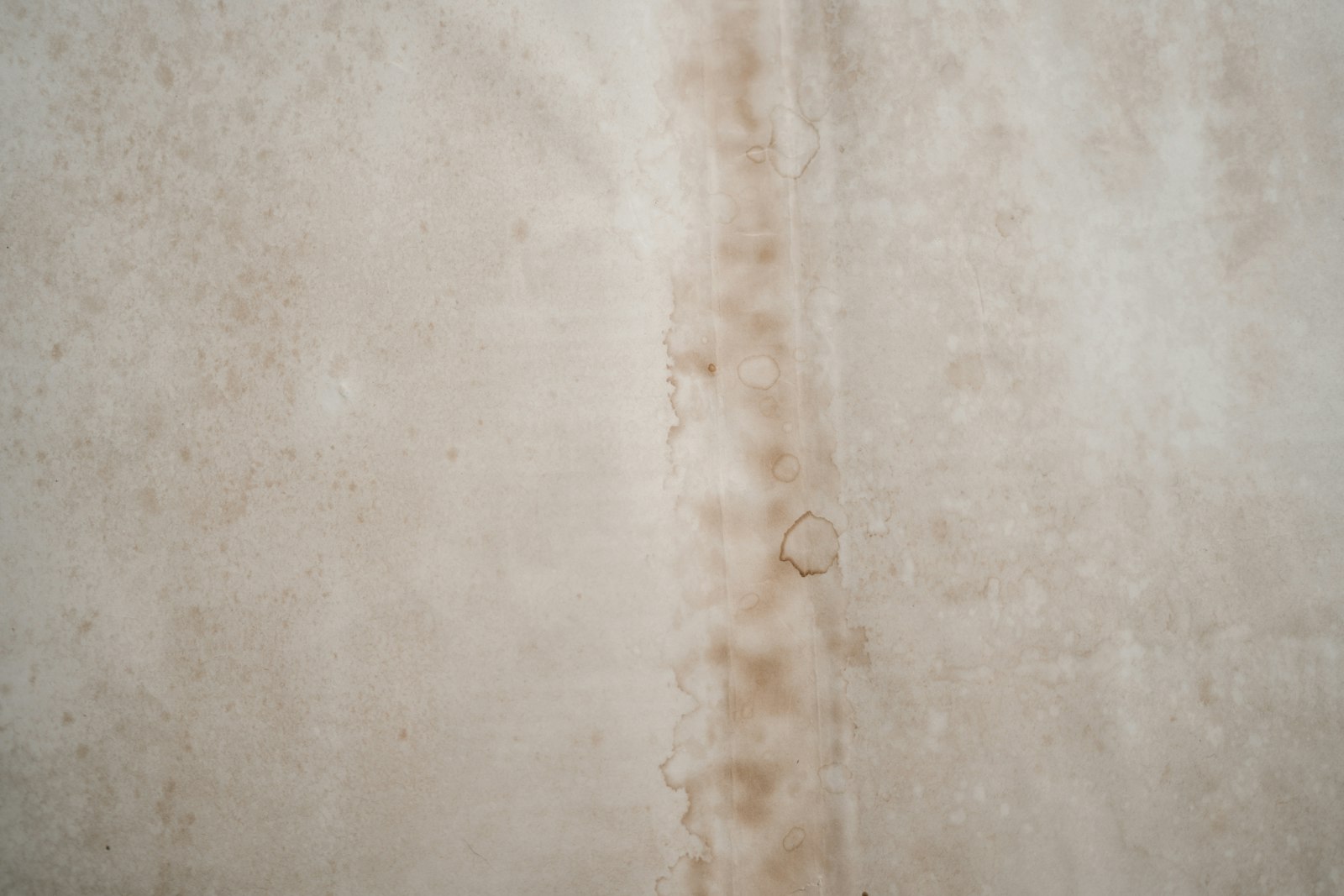
Brown or yellow stains on walls or ceilings
Water stains mark where moisture traveled. The stain is the endpoint — the wet area behind it is usually larger.
Drywall feels soft, swollen, or crumbly
Drywall that gives under pressure has lost its integrity. It needs removal, not paint.
Paint bubbling or peeling
Bubbling paint means moisture is pushing out from behind the surface. Painting over it seals the problem in.
A ceiling sagging under trapped water
A sagging ceiling is holding water above it. Keep the area clear and call — draining it wrong brings the whole section down.
Musty odor near a previously wet wall
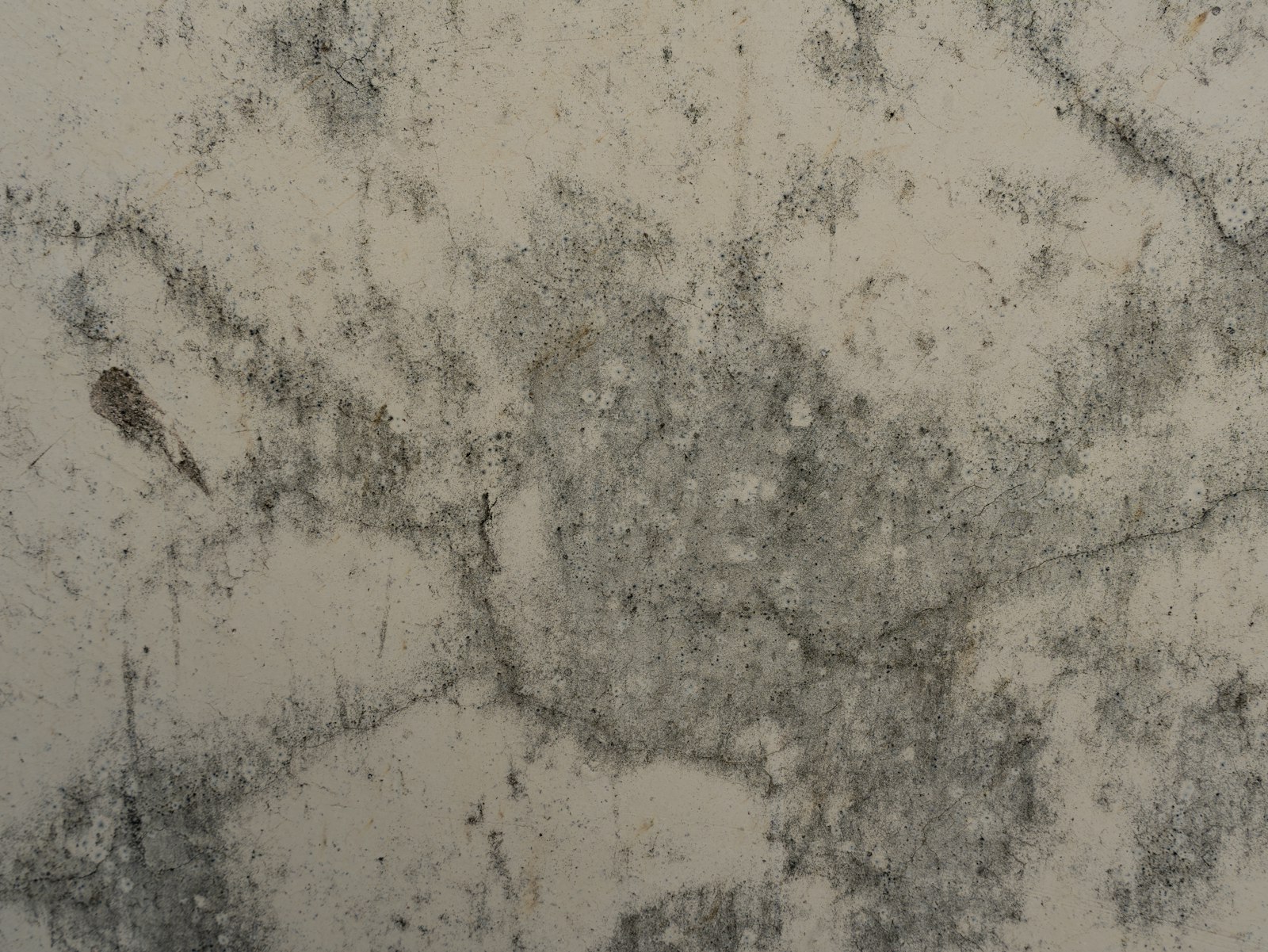
Odor near a wall that got wet means moisture is still inside the cavity — often in the insulation or on the back of the drywall.
Process
What the specialist does, step by step
- 1
Damage assessment and moisture readings
The contractor maps the wet area with meters, determines how far the damage extends beyond the visible stain, and identifies the water source.
- 2
Controlled removal
Ruined drywall is cut out in clean sections, and saturated insulation is removed — contained so dust and debris do not spread through the home.
- 3
Cavity drying and treatment
The open cavity is dried with targeted airflow and dehumidification, and framing is checked and treated before anything is closed up.
- 4
Rebuild, texture, and finish
New drywall goes in, insulation is replaced, and texture is matched to the surrounding walls so the repair disappears into the room.
Cost
What affects the price
Every situation is different — here's what a specialist weighs when planning.
- The square footage of drywall affected
- How much insulation behind it must also be replaced
- Ceiling work versus wall work — ceilings are more labor-intensive
- Texture matching — orange peel, knockdown, and smooth finishes differ
- The scope of finish work — priming and painting after the rebuild
The only way to know your price is a written quote — they're free.
Safe to DIY
- Keep the room clear of furniture and valuables
- Place a bucket under an actively dripping ceiling
- Photograph stains and damage for insurance
- Turn off water to the source if the leak is plumbing
- Note the stain's location relative to fixtures above — it helps the contractor trace the leak
When to call a specialist immediately
- Do not poke a sagging ceiling to drain it — trapped water can come down all at once
- Do not paint over water stains — the damage underneath continues
- Do not leave wet drywall in place hoping it dries — saturated drywall and insulation breed mold
- Do not cut out drywall near electrical boxes yourself
- Do not ignore a small stain — it often marks a much larger wet area behind the surface
FAQ
Drywall & Ceiling Restoration questions
Sometimes, if it got only briefly damp. But drywall that stayed saturated loses strength, and its paper facing feeds mold — in those cases, removal is the right call. Your contractor tests moisture levels and advises honestly.
A good contractor matches common Houston textures — orange peel, knockdown, smooth — so the repair blends in. Ask to see the texture match before final paint.
Moisture meters and thermal imaging trace the water path back to its source — a roof leak, a pipe, an AC drain line. Fixing the source comes before any rebuild, or the new drywall gets ruined too.