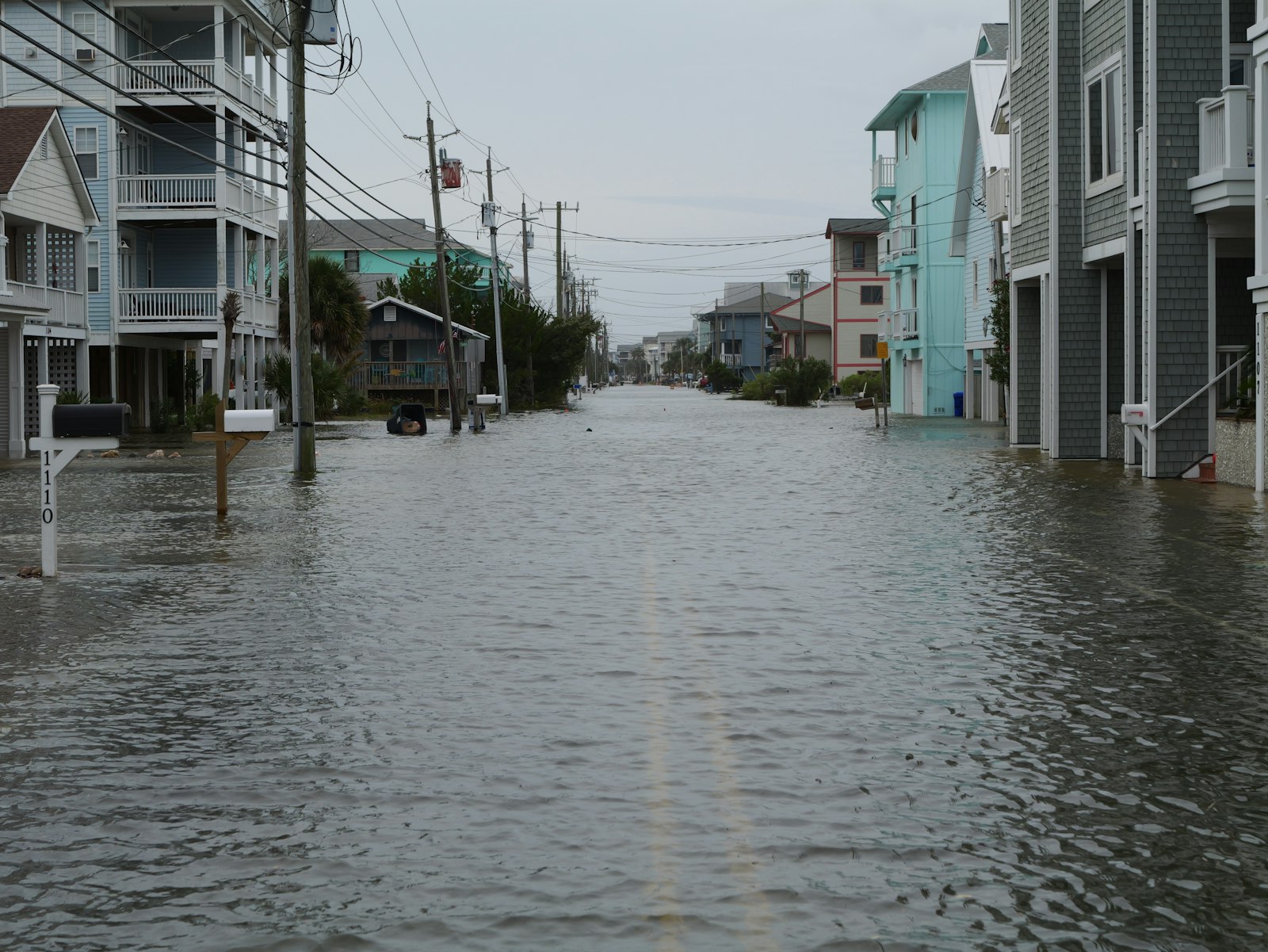
Houston knows floods. Harvey, Imelda, Beryl, and the unnamed downpours in between have taught the metro that flat topography and clay soil turn heavy rain into standing water, and that bayous — Buffalo, Brays, White Oak — overtop their banks with little warning. Slab-on-grade homes, which most of Houston is built on, take water straight across the floor.
Floodwater is never just water. Street and bayou runoff carries sewage, fuel, pesticides, and debris, which is why professionals treat it as contaminated from the first minute. BayouDry connects you with a local restoration contractor who extracts the water, removes flood-damaged materials, sanitizes what remains, and dries the structure in Houston's humid climate — where mold follows unfinished drying fast.
Flood Damage Cleanup at a glance
- Best for
- Storm water entered the home
- Includes
- Inspection, extraction, drying, repairs
- Service area
- Houston & 15 more Greater Houston cities
- Quote
- Free, written, no obligation
Signs
Signs you need flood damage cleanup
Storm water entered the home
Water that came in during a storm — through doors, windows, or up from the slab — needs professional handling. It is contaminated until proven otherwise.
The bayou or street flooded nearby
If the street or a nearby bayou flooded, assume the water that reached your home carried contaminants. Keep people and pets out of it.
Floodwater smells or looks dirty
Discoloration, debris, or a foul smell confirms contamination. Do not attempt cleanup yourself — this is a job for protective equipment and professional disposal.
Drywall is wet above the baseboards
Flood lines on drywall mark how high the water reached. Wet drywall and the insulation behind it usually must be removed, not dried in place.
Previous flood damage was never fully dried
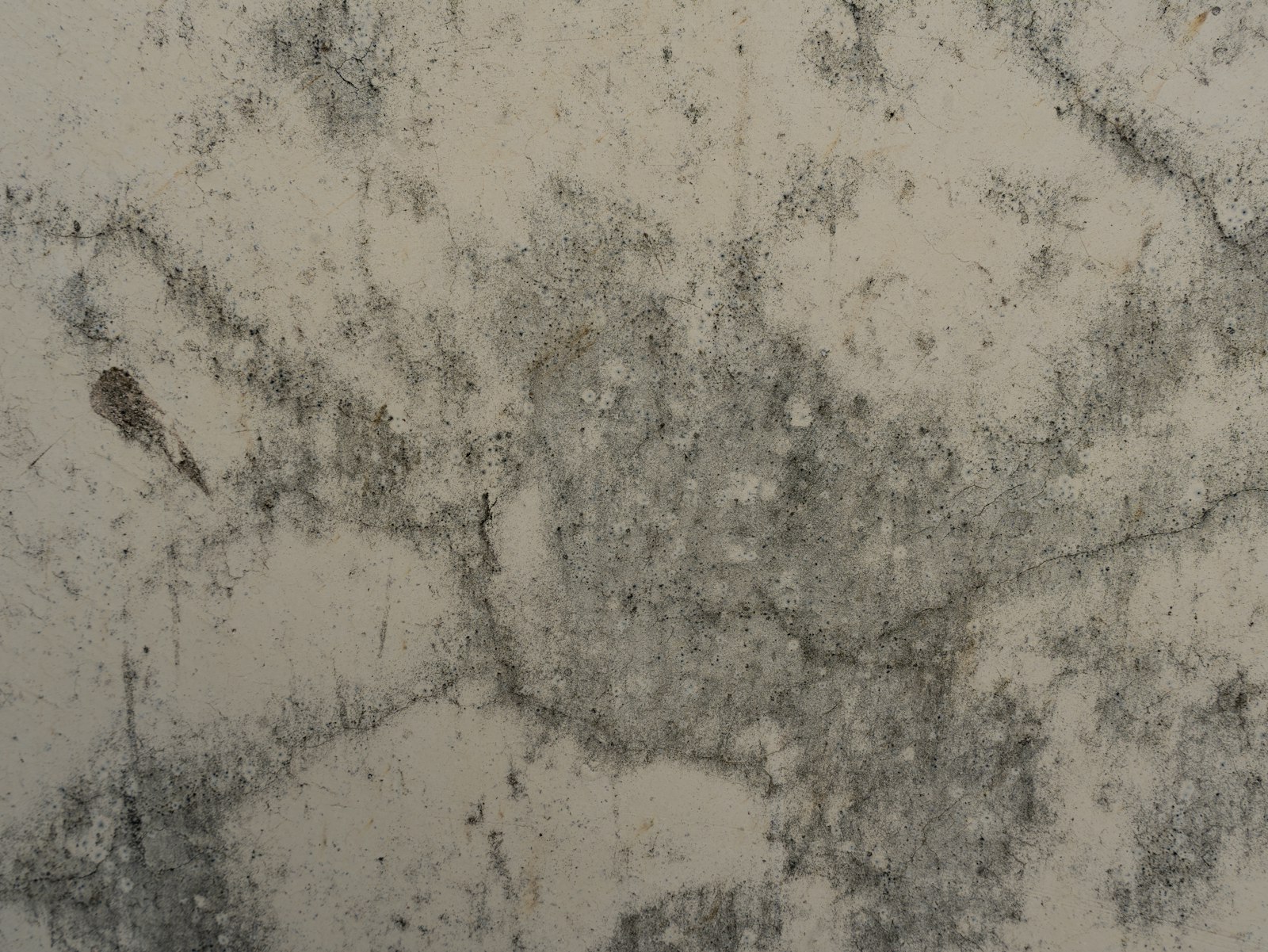
Homes that flooded before and were only surface-cleaned often harbor mold in walls and under flooring. A contractor assesses what the last event left behind.
Process
What the specialist does, step by step
- 1
Safety assessment and water categorization
The contractor assesses hazards — electrical, structural, contamination — and categorizes the water to determine the remediation approach.
- 2
Contaminated water extraction
Floodwater is extracted with professional equipment, with containment and protective measures appropriate for contaminated water.
- 3
Removal of flood-damaged materials
Drywall, insulation, carpet and pad, and cabinetry that contacted floodwater are removed and disposed of — they cannot be restored once contaminated.
- 4
Drying, sanitizing, and verification
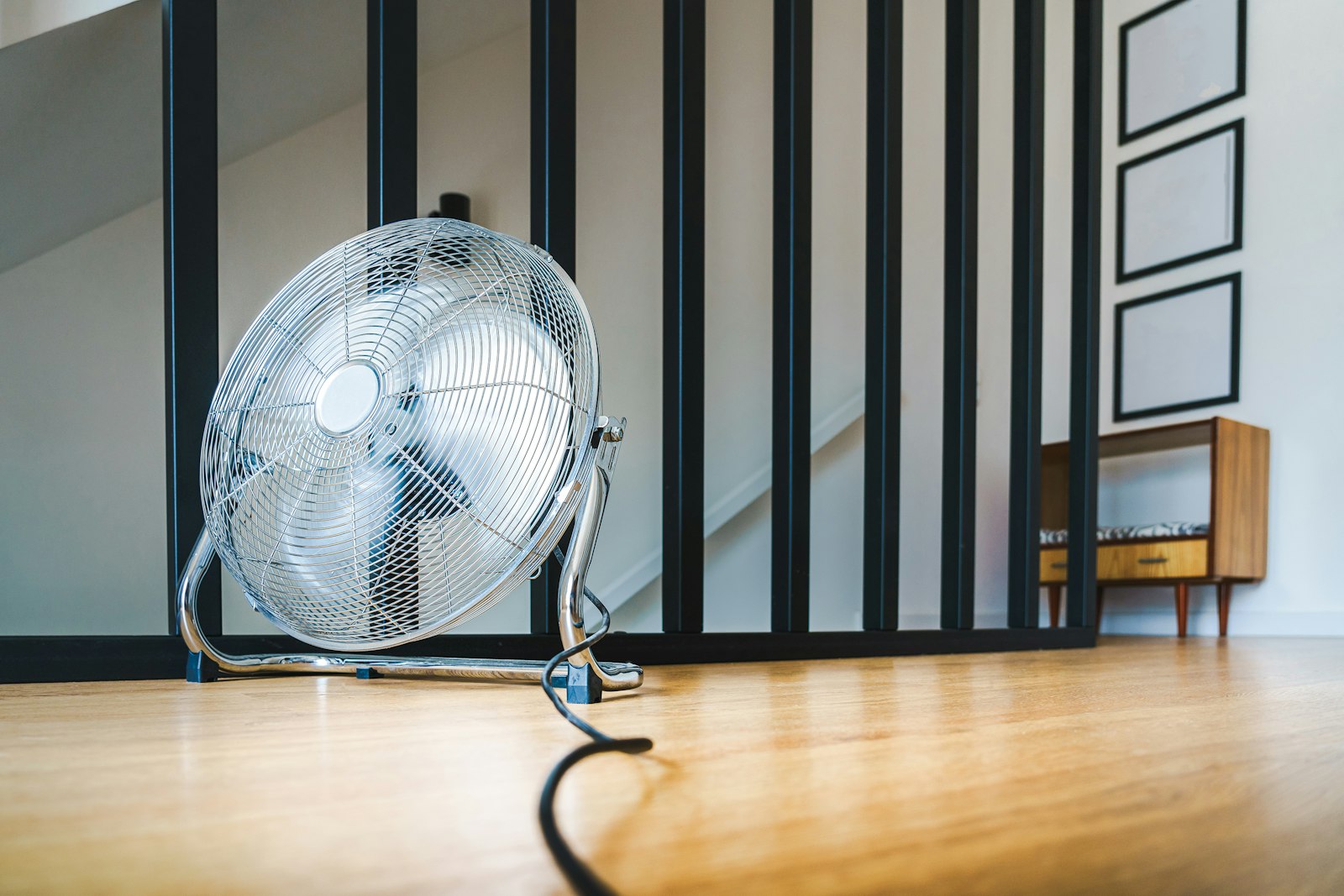
The remaining structure is dried with commercial equipment, sanitized, and verified with moisture readings before any rebuild begins.
Cost
What affects the price
Every situation is different — here's what a specialist weighs when planning.
- The depth of the water and the number of rooms affected
- How much drywall, insulation, flooring, and cabinetry must be removed
- The contamination level — bayou and street runoff requires fuller remediation
- Drying time in Houston's humid climate
- Content handling — cleaning salvageable belongings versus discarding what cannot be saved
The only way to know your price is a written quote — they're free.
Safe to DIY
- Stay out of floodwater — it may contain sewage, chemicals, or hidden hazards
- Turn off electricity and gas if water reached outlets, appliances, or the panel area
- Photograph everything for insurance before cleanup begins
- Move undamaged valuables to higher ground if it is safe to do so
- Contact your insurer promptly — flood claims have documentation requirements
When to call a specialist immediately
- Do not wade into floodwater to save belongings
- Do not assume the water is clean — street and bayou runoff is contaminated
- Do not run the HVAC system until the ductwork has been checked
- Do not wait for it to dry on its own — it will not, and mold follows
- Do not discard flood-damaged items before your adjuster documents them
FAQ
Flood Damage Cleanup questions
Yes — treat it as contaminated. Street and bayou runoff can carry sewage, fuel, pesticides, and debris. Keep people and pets out of it, and let a professional handle extraction and sanitizing.
Standard homeowners policies typically exclude damage from rising water; separate flood insurance, often through the NFIP, covers it. Document everything and check your policies before assuming either way.
It depends on the water depth, contamination, and how much material must be removed. Your contractor assesses the damage and gives you a realistic sequence — extraction, drying, then rebuild.