first-steps
What to Do When Your House Floods: The First 30 Minutes
Updated 2026-10-13
Short answer
Make the home safe first: shut off the water at the main valve if the source is a leak, and kill power to affected areas at the breaker — never step through standing water to reach either. Then stop the source if you can do it safely, move valuables out of the water, take photos and video of everything, and call your insurer and a water-damage restoration contractor. The faster water extraction begins, the less damage spreads.
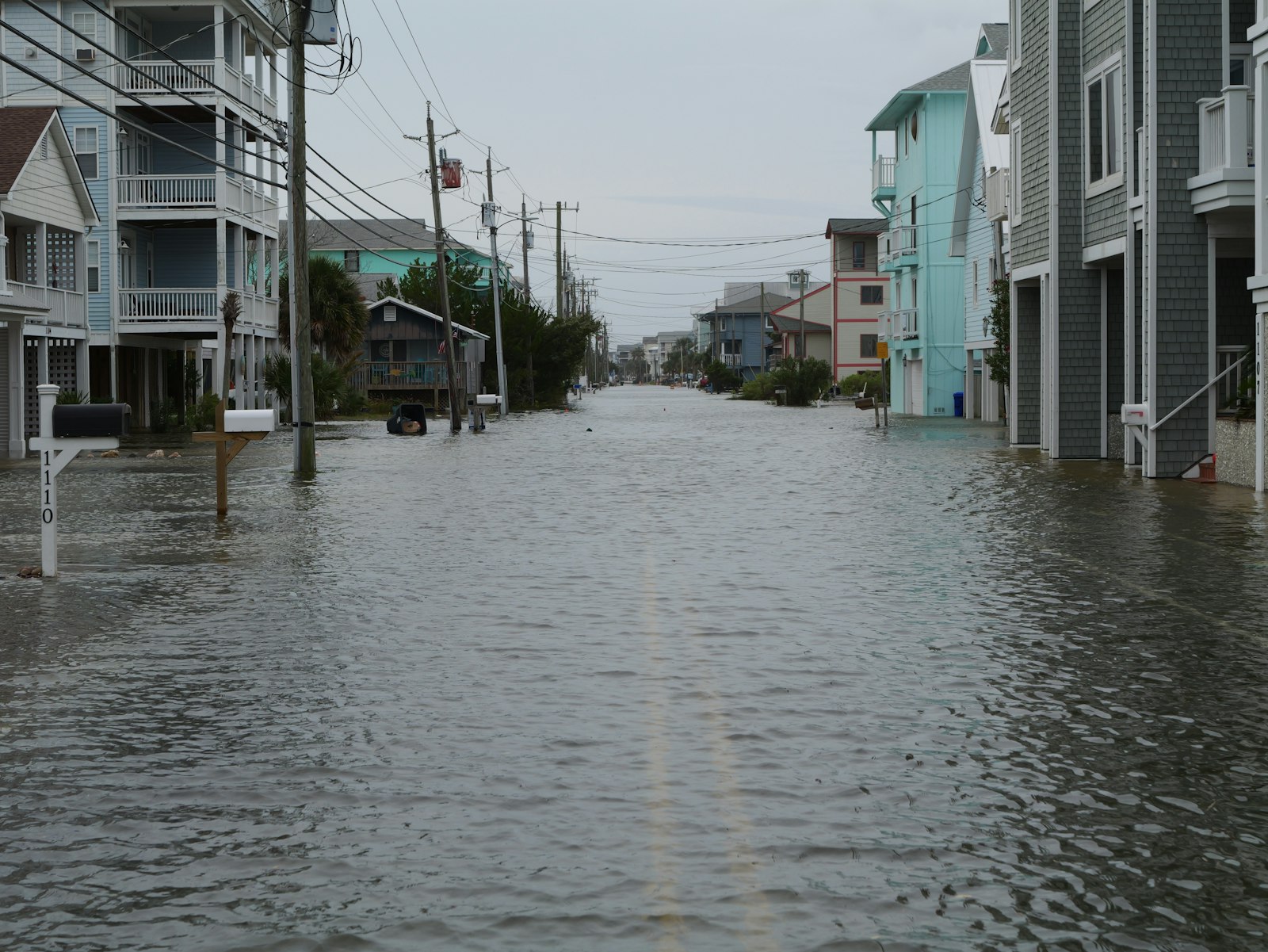
Make it safe before you do anything else
Water and electricity are a dangerous combination. Before you wade into a flooded room, head to the breaker panel and switch off power to the affected areas. If the panel itself is wet, flooded, or you cannot reach it without walking through water, stop and wait for the power to be cut externally or for professional help.
If the water is coming from inside the house — a burst pipe, failed water heater, or appliance hose — shut off the main water valve. In most Houston homes it is near the street, on an exterior wall, or in the garage. Knowing where yours is before an emergency is one of the simplest things you can do to limit damage.
Once the space is electrically safe, the priority is stopping more water from arriving. That can mean a bucket under an active drip, towels at a doorway, or turning off the valve to a specific fixture. Small actions in the first minutes often prevent a bad situation from becoming a much bigger one.
- Kill power to affected areas at the breaker — never walk through water to reach a panel
- Shut off the main water valve if the source is a plumbing failure
- Keep children and pets out of standing water entirely
- If the water smells like sewage or came from a drain, do not enter it at all
Move valuables and protect what you can
Once the scene is safe, move what matters most out of the water: documents, electronics, photos, and anything irreplaceable. Water wicks upward fast — furniture legs, rugs, and boxes on the floor are damaged within minutes, and items a few inches off the floor can be ruined in an hour.
Lift furniture onto blocks, wood shims, or even plastic bins to keep legs out of the water. Pull up small rugs and roll up draperies or curtains so hems stay dry. If you have a wet/dry vacuum, you can start pulling surface water, but do not overexert yourself or risk injury moving heavy saturated furniture alone.
For hardwood floors, start removing surface water with towels or a wet/dry vacuum as soon as it is safe. Hardwood absorbs water quickly and begins cupping within hours, but quick removal meaningfully improves the odds of saving the floor — more on that in our hardwood drying guide.
Document everything before you clean
Before you move or throw away anything, photograph and video the full scene: water lines on walls, soaked flooring, damaged furniture, and the apparent source. Open every affected room and closet. Insurance adjusters and restoration contractors both need this record, and you cannot recreate it after cleanup starts.
Save the photos with timestamps — your phone does this automatically. Keep a running list of damaged items with approximate age and value, and hold onto damaged items until your insurer says you can dispose of them. Bagging wet items for inspection prevents disposal mistakes.
Do not start ripping out drywall, carpet, or flooring yourself unless the contractor directs you to. Unnecessary demolition can complicate an insurance claim, and opening walls without knowing where the moisture is often makes the problem harder to map.
- Photo and video every affected area before moving anything
- List damaged items with approximate age and value
- Keep damaged items until your insurer releases them
- Do not tear out materials on your own before the assessment
Call your insurer and a restoration contractor
Call your homeowners insurance carrier promptly to report the loss. Ask what documentation they need, whether emergency mitigation is expected, and how to submit the claim. Most policies want quick reporting, and acting fast protects your position — our insurance guide walks through the questions to ask your adjuster.
Then call a water-damage restoration contractor. BayouDry connects you with independent local restoration contractors in the Houston area — the contractor who takes your job does the extraction, drying, and repair work and sets the price. When you call, describe the water source, how much of the home is affected, and whether it is clean water, gray water, or sewage.
Start both calls the same day the damage happens. Drying that begins within the first day gives you the best shot at preventing mold growth and secondary damage to drywall, subflooring, and framing — materials that cannot be fully dried once they are saturated often must be removed and replaced.
What not to do in the first 30 minutes
Do not turn on ceiling fans, HVAC, or household vacuums in a soaked home — standard vacuums are dangerous around water, and blowing air across wet materials before the source is stopped can spread contaminants. Let the contractor plan the drying strategy.
Do not use bleach on a large spill expecting it to handle contamination. Household bleach is ineffective on porous materials and does nothing about water trapped behind walls or under flooring. Surface cleaning is not the same as structural drying.
And do not assume the water is harmless because it looks clear. Water that has sat in carpet, insulation, or crawlspaces picks up contaminants quickly. Treat every intrusion as potentially contaminated until a professional evaluates it.
Common questions
Do both as soon as the scene is safe, in either order. Call your insurer to report the loss and learn what documentation they need, and call a restoration contractor to start mitigation. Quick extraction protects your property and your claim at the same time.
It depends on the extent. If the power is safely off in affected areas, the water is clean, and only one room is affected, you may be able to stay. If the flooding is widespread, sewage is involved, or the electrical system is compromised, arrange to stay elsewhere until a professional says the home is safe.
Surface water removal helps, but household equipment cannot verify that walls, subflooring, and framing are actually dry. A contractor's moisture meters confirm when materials have reached safe levels — without them, you are guessing, and guesswork is what leads to mold behind finished walls.
General emergency guidance; electrical hazards and structural concerns should be handled by qualified professionals.