The most expensive water damage in Houston is the kind nobody sees. A slow supply-line leak inside a wall, AC condensate soaking an attic, storm water wicking up through a slab edge — by the time a stain appears or a smell develops, the hidden damage is usually far larger than the visible sign. Materials feel dry to the touch long before they actually are.
A professional moisture inspection removes the guesswork. Thermal imaging cameras detect the temperature differences moisture creates, non-invasive meters read through surfaces, and pin meters confirm exact readings where it counts. BayouDry connects you with a local water-damage specialist who produces a moisture map of your property — what is wet, how wet, and what needs to happen next.
Moisture Detection & Inspection at a glance
- Best for
- A musty smell with no visible water
- Includes
- Inspection, extraction, drying, repairs
- Service area
- Houston & 15 more Greater Houston cities
- Quote
- Free, written, no obligation
Signs
Signs you need moisture detection & inspection
A musty smell with no visible water
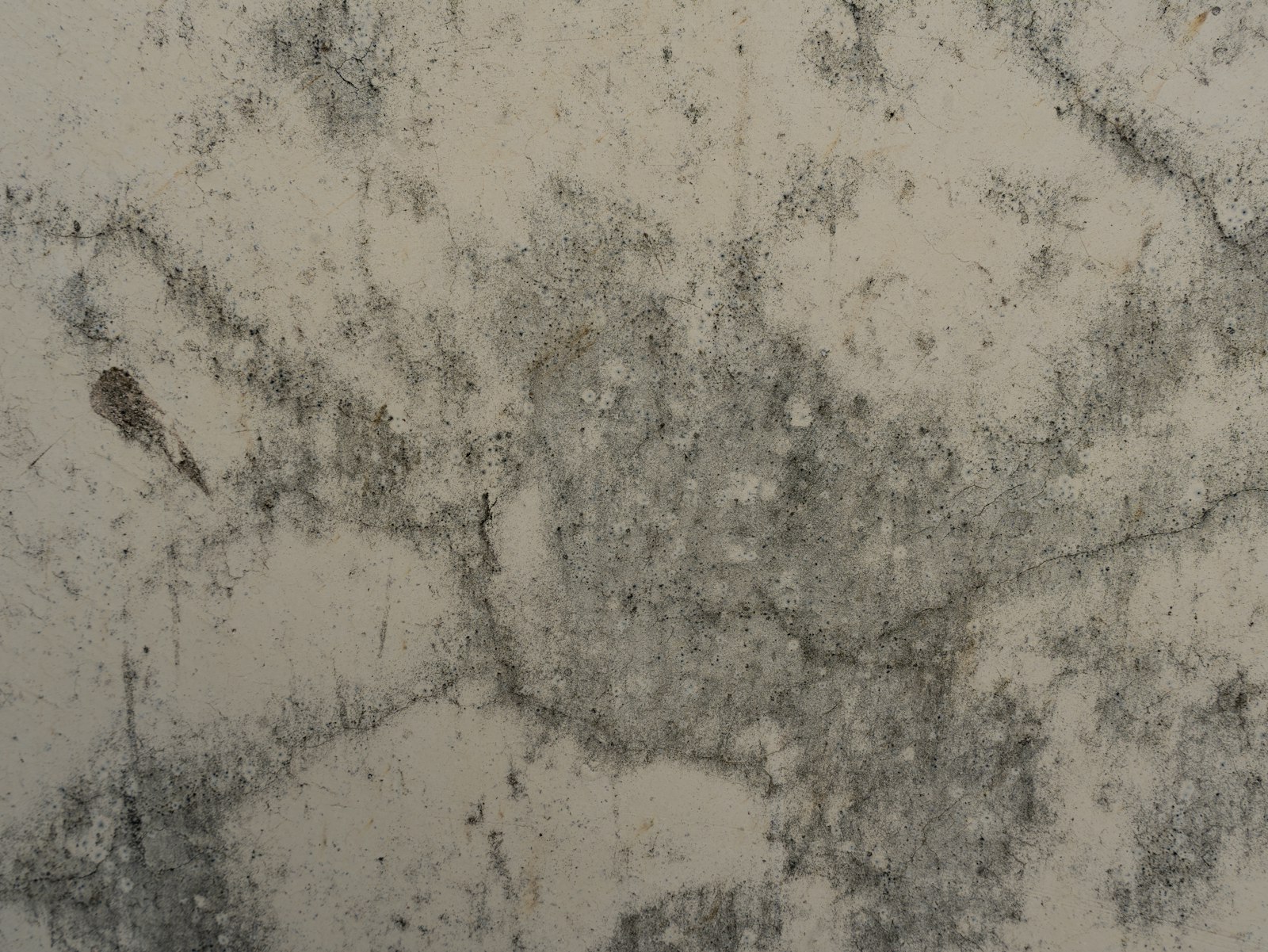
Musty odor without a visible source almost always means hidden moisture — in a wall cavity, under flooring, or above a ceiling.
Stains appearing on ceilings or walls
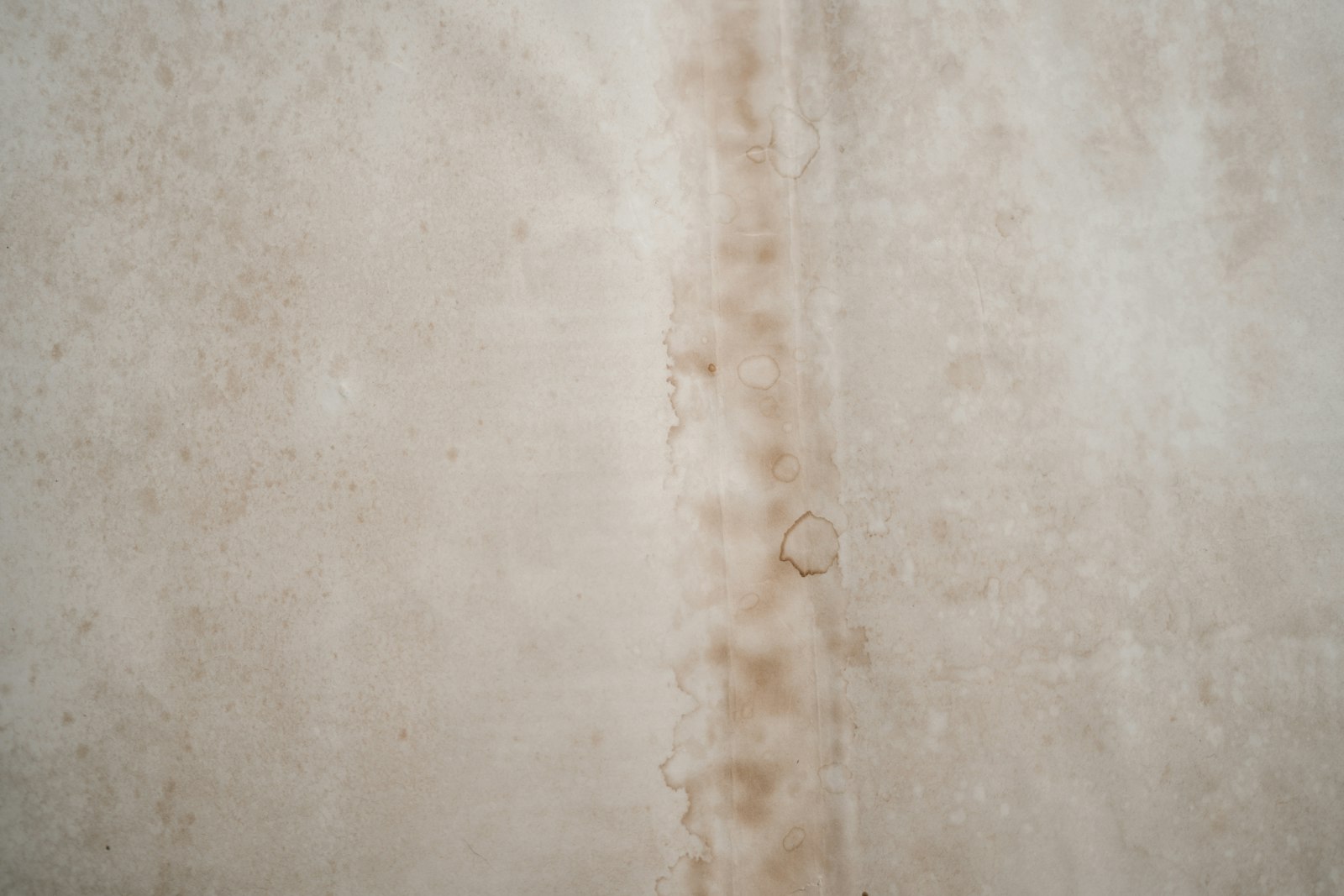
A new stain marks water's arrival point, not its source. An inspection traces the moisture path back to where it started.
Higher-than-normal indoor humidity
Persistently humid rooms, fogging windows, or a clammy feel can signal moisture evaporating from hidden wet materials.
A leak was repaired but the area was never checked
Plumbers fix pipes; they do not map moisture. If a repair never included a drying assessment, an inspection closes the loop.
Buying a Houston home and want to check for past water issues
In a flood-prone metro, a moisture survey before purchase can reveal past leaks, storm intrusion, or incomplete drying the seller never disclosed.
Process
What the specialist does, step by step
- 1
Visual and history review
The specialist reviews what happened — the leak, the storm, the stain — and inspects visible conditions before instruments come out.
- 2
Non-invasive scanning
Thermal imaging and non-invasive meters scan walls, floors, and ceilings to locate moisture without opening anything.
- 3
Pin-meter verification
Where scanning finds suspect areas, pin meters confirm exact moisture content — minimal intrusion, maximum certainty.
- 4
Moisture map and recommendations
You receive a map of what is wet and how wet, plus a clear recommendation: what needs drying, what needs removal, and what is fine.
Cost
What affects the price
Every situation is different — here's what a specialist weighs when planning.
- The size of the property or area surveyed
- Known-leak follow-up versus an exploratory survey
- Access to wall cavities, attics, and crawlspaces
- Thermal imaging and the level of technology used
- Documentation needed for insurance or real estate
The only way to know your price is a written quote — they're free.
Safe to DIY
- Note where and when you see stains, smells, or dampness
- Check under sinks and around toilets, water heaters, and washing machines regularly
- Look at ceilings below bathrooms and kitchens
- Keep a photo log of anything that changes over time
- Run bathroom exhaust fans to reduce everyday moisture
When to call a specialist immediately
- Do not cut exploratory holes in walls to check — you may hit wiring or plumbing
- Do not rely on touch — materials feel dry long before they are
- Do not ignore a musty smell because you cannot see water
- Do not paint over stains without finding the moisture source
- Do not assume a previous owner's leak was properly dried
FAQ
Moisture Detection & Inspection questions
Yes. Thermal imaging cameras detect temperature differences caused by moisture, and non-invasive meters read through surfaces. Pin meters then confirm exact readings where needed — minimal holes, maximum information.
After any leak, flood, or storm intrusion — even if things look dry. Also before buying an older Houston home, after noticing musty odors, or when a previous repair never included professional drying.
A moisture map showing exactly what is wet and how wet, plus a clear recommendation: what needs drying, what needs removal, and what is fine. It is also useful documentation for insurance claims.