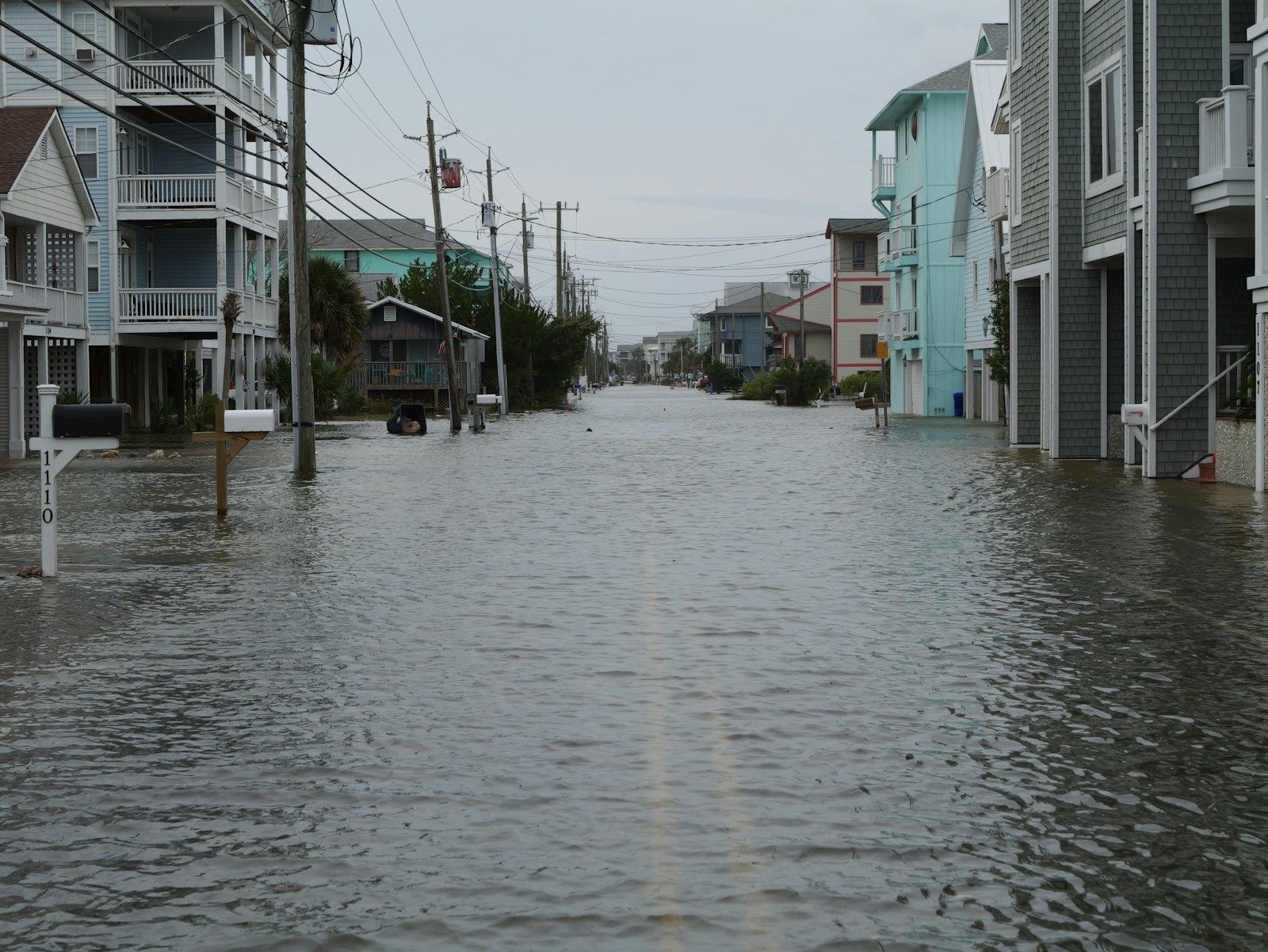
Water does not wait in Houston. A supply line lets go in a Heights bungalow, a water heater fails in a Katy garage, or a tropical storm pushes water under the doors — and on flat ground over expansive clay soil, it has nowhere to drain. It sits, spreads, and soaks into everything it touches.
BayouDry connects you with a local restoration contractor who treats extraction as the emergency it is: standing water comes out with professional-grade equipment, the source gets identified and stopped, and moisture mapping begins so the drying that follows targets the real problem. Extraction always comes before drying and repair — nothing else works until the water is out.
Emergency Water Extraction at a glance
- Best for
- Standing water on the floor
- Includes
- Inspection, extraction, drying, repairs
- Service area
- Houston & 15 more Greater Houston cities
- Quote
- Free, written, no obligation
Signs
Signs you need emergency water extraction
Standing water on the floor
Any amount of standing water — from a thin sheet to several inches — needs professional extraction. Household mops and wet-vacs cannot keep pace with real flooding.
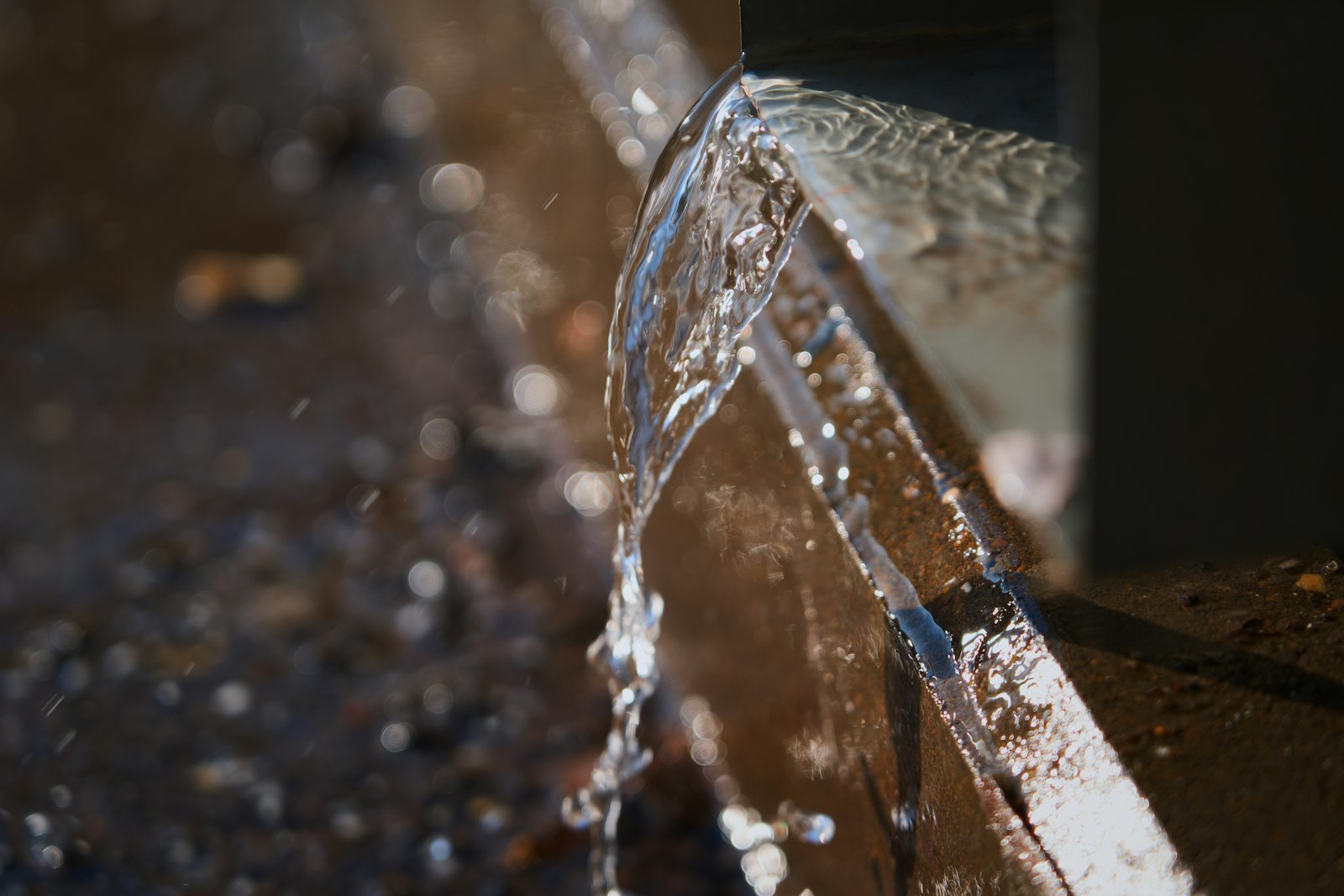
A pipe, water heater, or appliance is actively leaking
If the source is still flowing, shut off the main water valve first, then call. A contractor stops the damage from growing while extraction begins.
Storm water is coming inside
Tropical storms and hurricanes push water into Houston homes through doors, windows, and slab edges. Storm water is treated as contaminated, which changes how it is handled.
Ceilings are sagging or dripping
A sagging ceiling means water is pooling above it — in an attic, a wall cavity, or an upstairs floor. It can come down all at once; keep the area clear and call.
A previous leak left hidden moisture
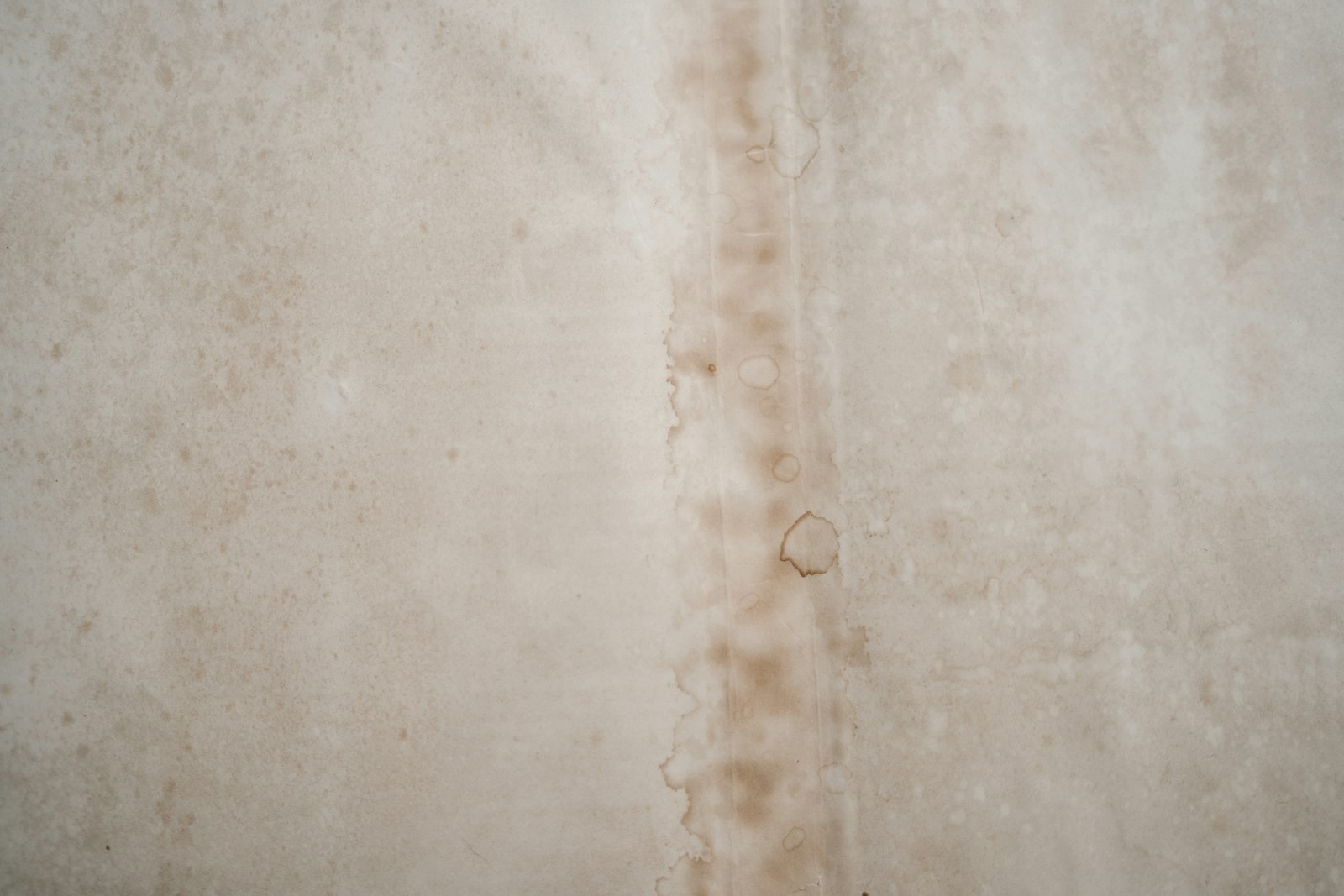
Warped baseboards, a musty smell, or paint bubbling weeks after a leak all point to water that was never extracted. A contractor finds what is still wet and finishes the job.
Process
What the specialist does, step by step
- 1
Water shutoff and safety check
The contractor helps confirm the water source is stopped and checks for electrical hazards before anyone steps into the wet area.
- 2
Standing water extraction
Truck-mounted or portable extractors and submersible pumps remove standing water far faster and more completely than consumer equipment.
- 3
Removal of unsalvageable materials
Carpet pad, saturated drywall sections, and swollen baseboards that cannot be restored are removed so they do not hold moisture against the structure.
- 4
Moisture mapping and drying plan
Moisture meters map exactly what is wet — walls, subfloor, framing — and the contractor sets up the drying phase based on real readings, not guesswork.
Cost
What affects the price
Every situation is different — here's what a specialist weighs when planning.
- The volume of water and the square footage affected
- How long the water sat before extraction began
- The types of materials involved — carpet and pad versus hardwood or tile
- The water category — clean water, storm runoff, or sewage each require different handling
- Access and timing — multi-story homes or after-hours emergencies
The only way to know your price is a written quote — they're free.
Safe to DIY
- Shut off the main water valve if a pipe or fixture is the source
- Turn off power to wet areas at the breaker if you can do so without entering standing water
- Move small valuables, electronics, and rugs out of the water's path
- Take photos and video of the damage before anything is moved
- Open interior doors to improve airflow once the water source is stopped
When to call a specialist immediately
- Do not enter standing water that may contact electrical outlets or appliances
- Do not use a household wet-vac on sewage or storm runoff
- Do not pull up carpet or cut into walls — hidden hazards include wiring and mold
- Do not delay calling a contractor; damage compounds every hour
- Do not throw away damaged items before documenting them for insurance
FAQ
Emergency Water Extraction questions
Immediately. The longer water sits, the deeper it penetrates floors, drywall, and framing — and the greater the risk of secondary issues like mold. Extraction is always the first step, before any drying or repair.
A household wet-vac handles minor spills but cannot keep pace with real flooding or extract water trapped in carpet pad and subfloor. Professional extractors remove far more water, which is what makes the drying phase actually work.
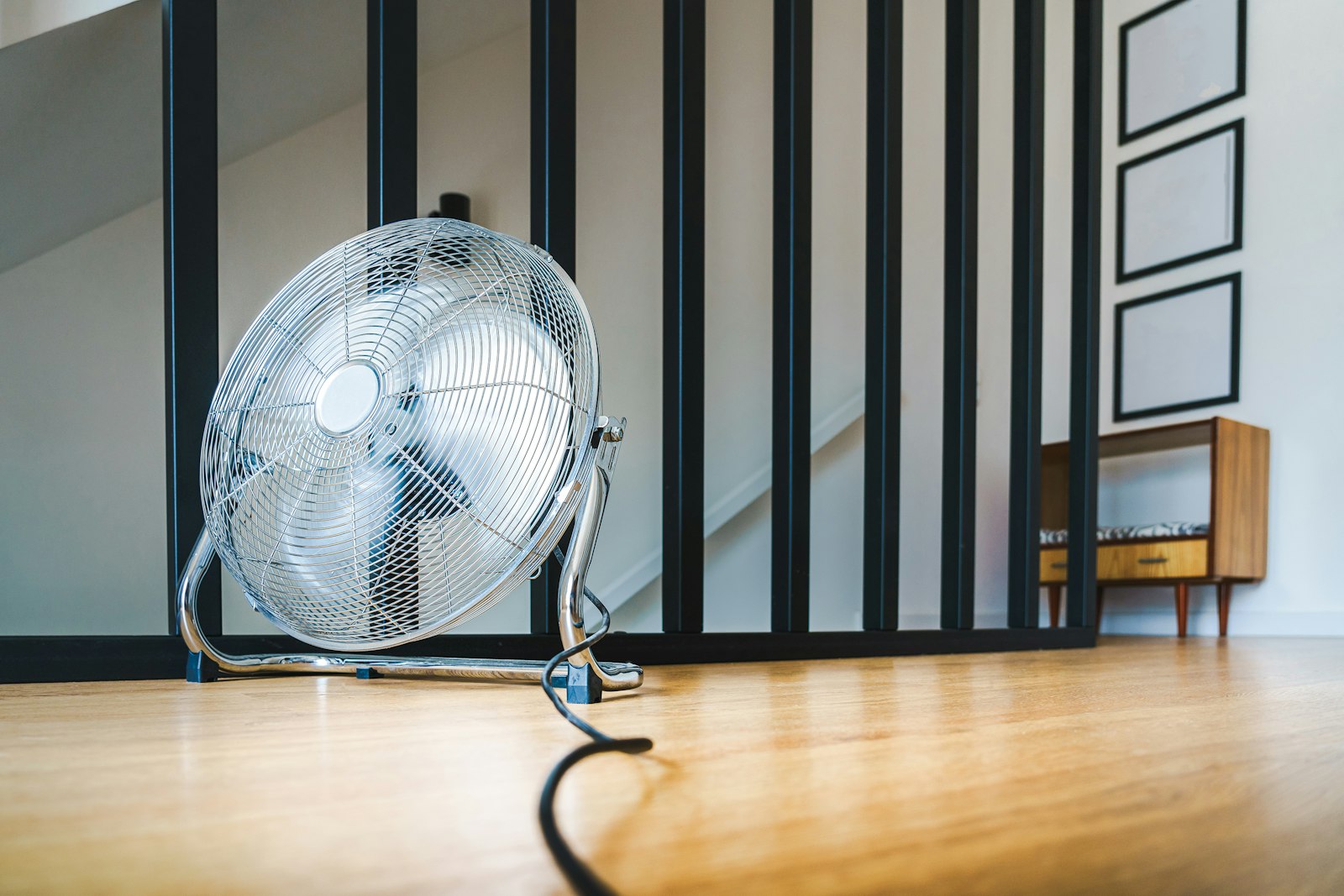
Extraction is step one. Your contractor then maps moisture with meters, sets up air movers and dehumidifiers, and removes materials that cannot be saved — the full drying process follows.