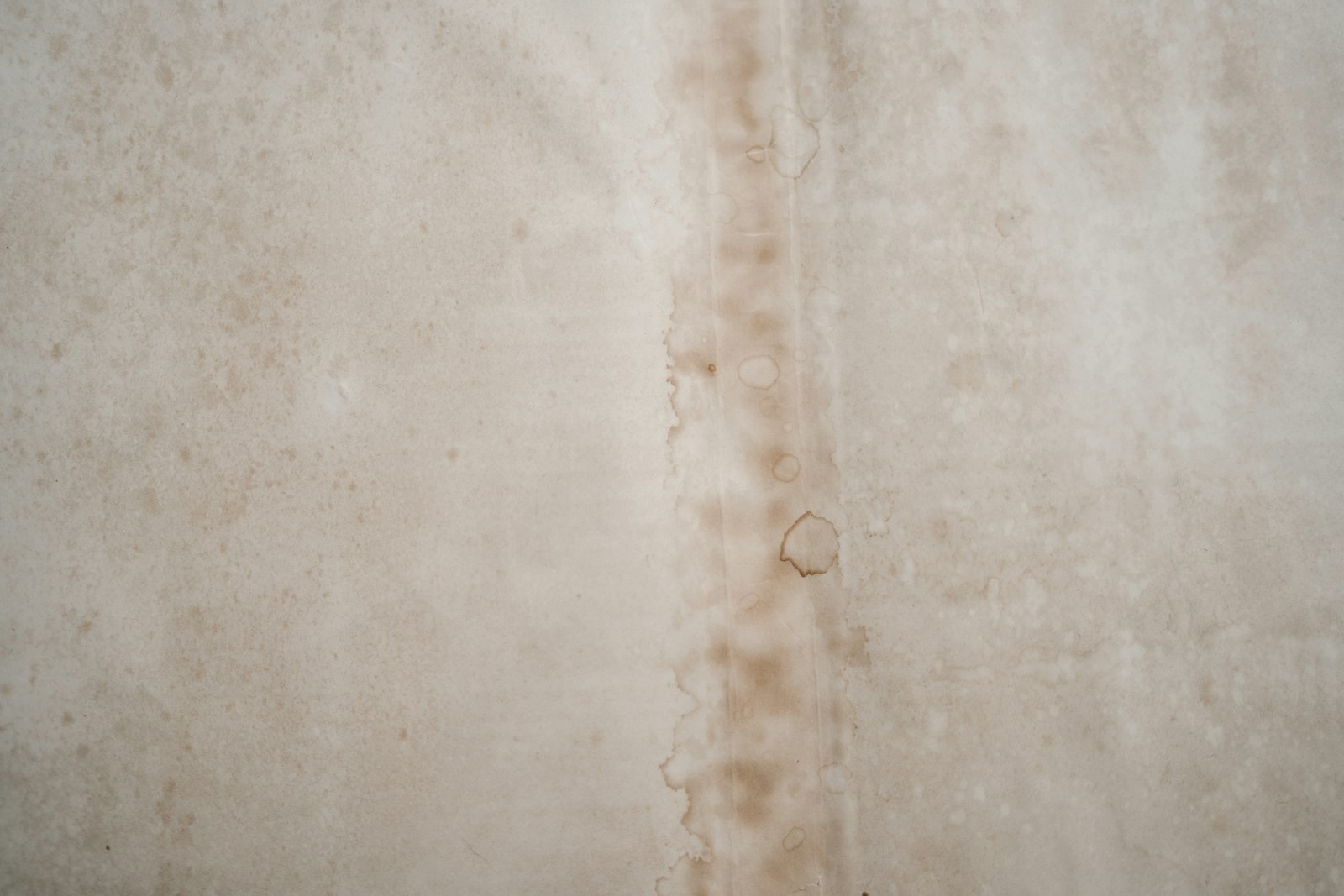
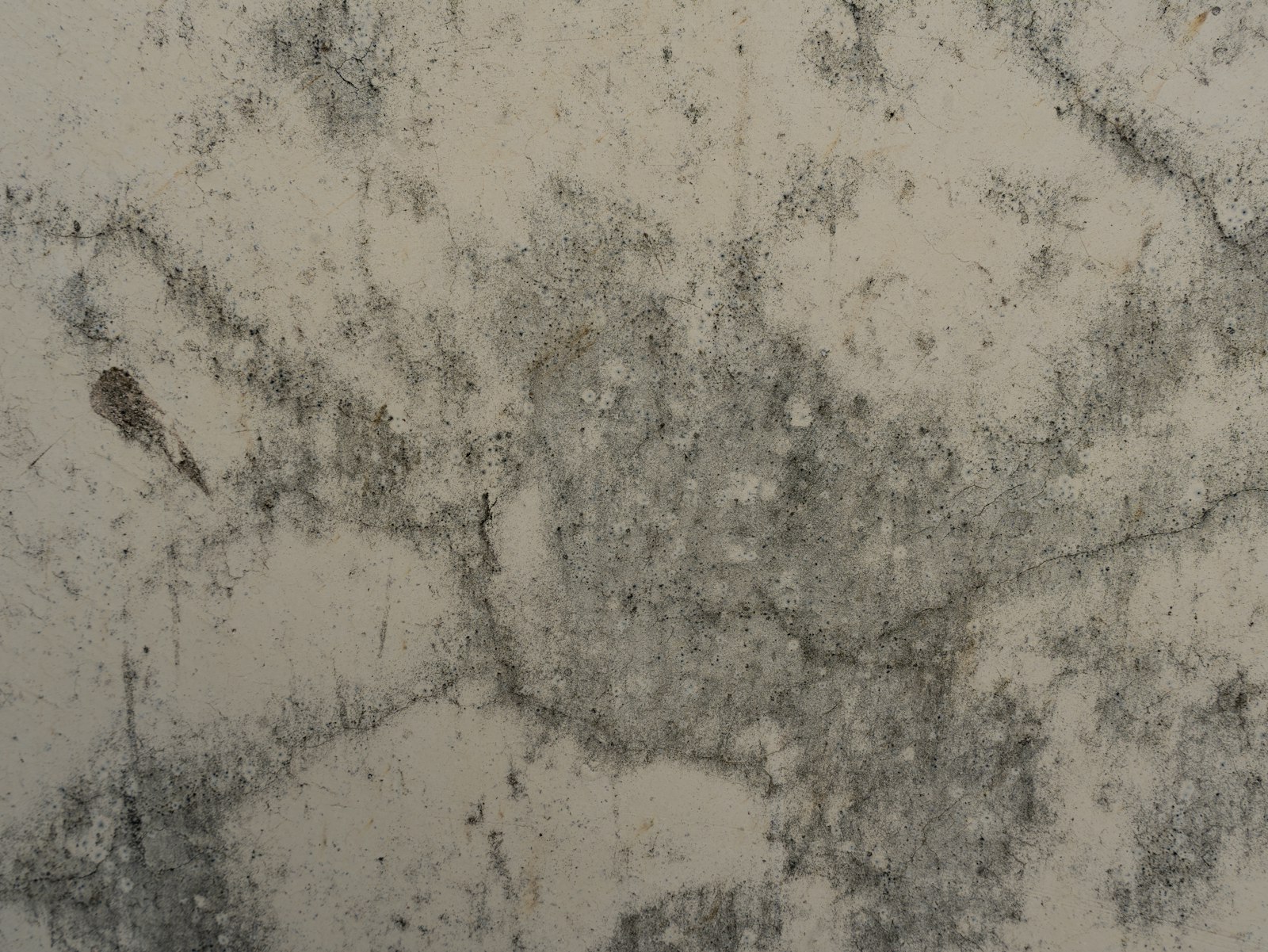
In Houston's climate, air-drying is not a drying plan — it is a mold plan. Humid Gulf air keeps moisture locked inside wall cavities, under slab edges, and in framing long after surfaces feel dry to the touch. Water hides in the places you cannot see: inside walls, beneath flooring, above ceilings, and in the concrete slab itself.
Professional structural drying controls the three variables that actually remove moisture — airflow, temperature, and humidity — and verifies the result with meters, not guesswork. BayouDry connects you with a local water-damage specialist who maps the moisture, places commercial equipment to target it, and monitors daily until materials return to their dry standard.
Structural Drying & Dehumidification at a glance
- Best for
- Surfaces look dry but smell musty
- Includes
- Inspection, extraction, drying, repairs
- Service area
- Houston & 15 more Greater Houston cities
- Quote
- Free, written, no obligation
Signs
Signs you need structural drying & dehumidification
Surfaces look dry but smell musty
A musty smell with dry surfaces is the classic sign of trapped moisture — usually inside a wall cavity, under flooring, or in framing.
Baseboards or drywall feel soft or swollen
Swollen baseboards and soft drywall mean the material absorbed water and never fully dried. It will not recover on its own.
Paint is bubbling or peeling after a leak
Bubbling paint marks moisture pushing out from behind the surface. The paint is the symptom; the wet material behind it is the problem.
A leak was fixed but the area was never professionally dried
Fixing the pipe without drying the structure leaves moisture in cavities and framing. If the repair skipped the drying step, it needs one now.
Concrete or slab feels damp weeks later
Concrete holds moisture for a long time, especially on Houston's high water table. Damp slab weeks after an event needs professional dehumidification.
Process
What the specialist does, step by step
- 1
Moisture mapping
Meters and thermal imaging map exactly what is wet and how wet — walls, subfloor, framing, concrete — establishing the baseline for the drying plan.
- 2
Water extraction first
Any remaining standing or trapped water is extracted before drying equipment goes in. Drying cannot outpace an active water source.
- 3
Targeted drying equipment
Commercial air movers, dehumidifiers, and specialty mats are placed to pull moisture from the specific materials and cavities that are wet.
- 4
Daily monitoring to dry standard
Moisture readings are taken daily against the dry standard of unaffected materials. Equipment comes out only when readings confirm the structure is dry.
Cost
What affects the price
Every situation is different — here's what a specialist weighs when planning.
- The volume of trapped moisture and the square footage involved
- The materials involved — hardwood, drywall, and concrete each dry differently
- How much must be opened for airflow — wall cavities, built-ins, or flooring
- Houston's ambient humidity, which extends drying time
- The duration of equipment placement and monitoring visits
The only way to know your price is a written quote — they're free.
Safe to DIY
- Remove wet rugs, cushions, and loose items to speed evaporation
- Open interior doors and closets to improve air circulation
- Run your air conditioner — it removes humidity as it cools
- Wipe down hard surfaces that got splashed
- Keep the area clear so the contractor's equipment can be placed effectively
When to call a specialist immediately
- Do not assume a surface that feels dry is actually dry — moisture hides inside materials
- Do not point household fans at wet drywall and walk away — uneven drying warps materials
- Do not close up walls or lay new flooring before moisture readings confirm dryness
- Do not run a dehumidifier in a sealed room with an active leak
- Do not skip the drying step to save time — trapped moisture becomes mold
FAQ
Structural Drying & Dehumidification questions
Typically several days, depending on the materials, the amount of trapped moisture, and Houston's humidity. Your contractor takes daily moisture readings and removes equipment only when materials reach their dry standard — not before.
In Houston's humid climate, open windows often add moisture rather than remove it. Professional drying controls temperature, airflow, and humidity together — that combination is what actually pulls water out of structure.
It is the moisture level of unaffected materials in your home, measured as a baseline. Drying is complete when wet materials return to that baseline — your contractor verifies it with meters, not guesswork.