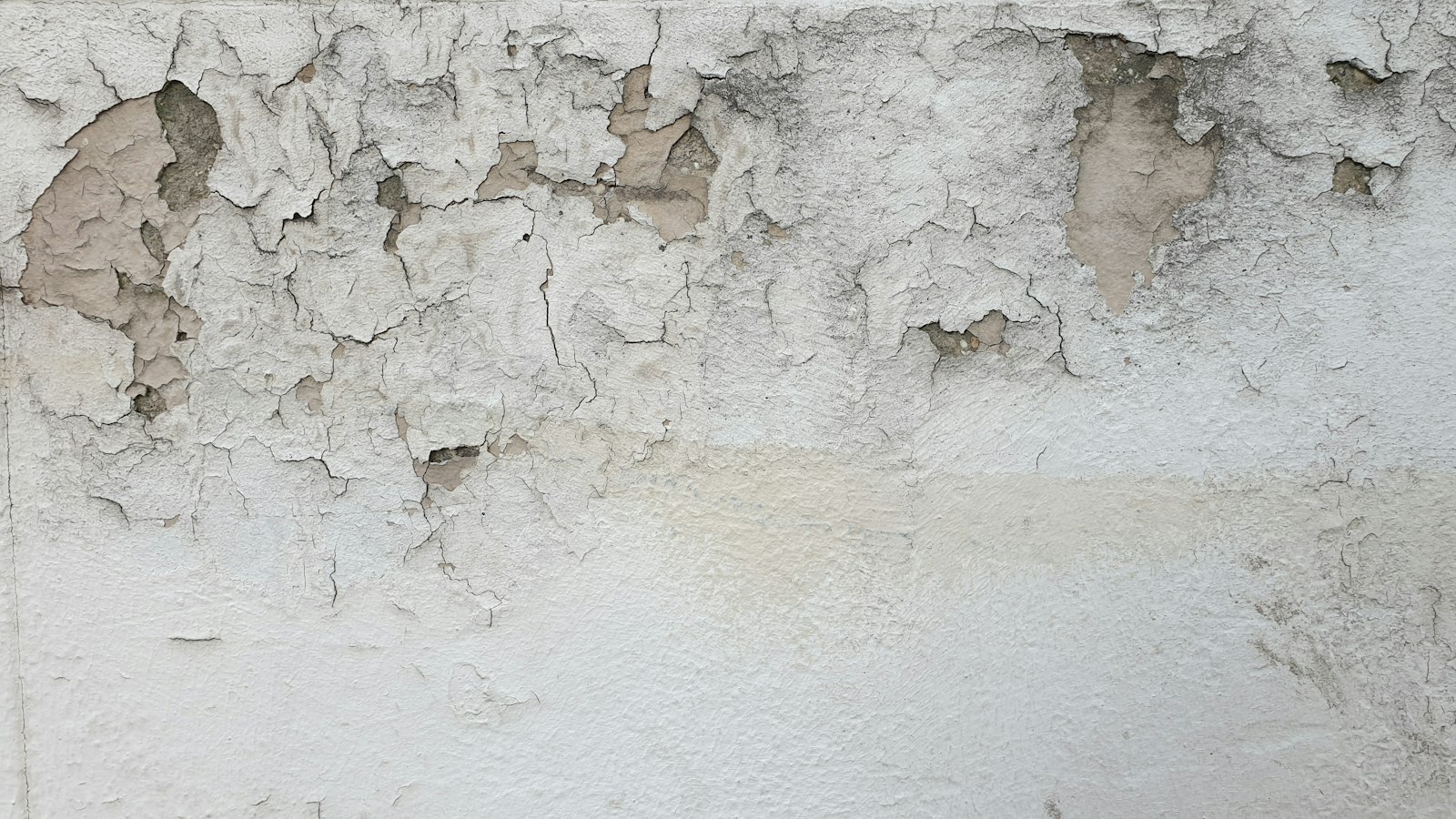
Houston roofs take a beating. Hurricanes and tropical storms drive rain sideways under shingles, hail bruises and cracks them, and the metro's intense downpours exploit every weak flashing and worn seal. Water that enters at the roofline rarely drips straight down — it runs along rafters and decking, soaks insulation, and appears as a stain rooms away from the actual breach.
Two trades, one sequence: the roofer fixes the roof, and the restoration contractor handles everything the water did inside — drying the attic and cavities, removing ruined drywall and insulation, preventing mold, and documenting the damage for insurance. BayouDry connects you with a local restoration contractor for the interior side, sequenced so drying starts now instead of waiting on the roofing schedule.
Roof Leak Water Damage at a glance
- Best for
- Water stains on ceilings after rain
- Includes
- Inspection, extraction, drying, repairs
- Service area
- Houston & 15 more Greater Houston cities
- Quote
- Free, written, no obligation
Signs
Signs you need roof leak water damage
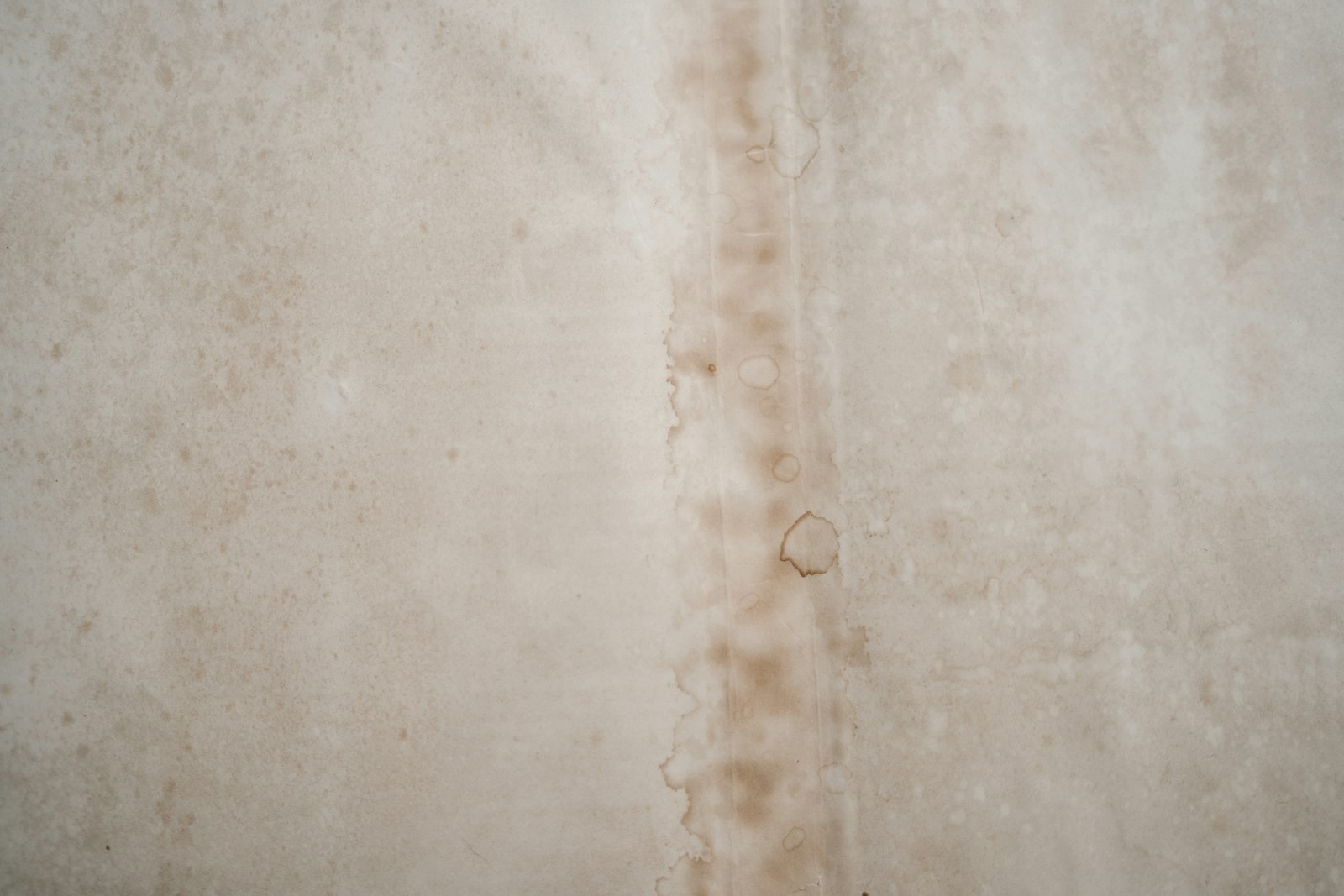
Water stains on ceilings after rain
Stains that appear or darken after storms mark active intrusion. The stain is the endpoint — the wet area above it is larger.
Dripping during heavy storms
Active dripping means the breach is open now. Contain the drip, protect what is below, and call — interior drying should not wait for the roofer.
Musty smell in the attic
Attic odor means moisture has been entering for a while — wet insulation, damp decking, and likely mold growth.
Missing or damaged shingles after a storm
Visible roof damage after a Houston storm almost always means interior water followed. Check ceilings and the attic, not just the roof.
A previous roof repair that still leaks inside
If the roof was patched but interior stains keep growing, either the breach was missed or the interior was never dried. Both need addressing.
Process
What the specialist does, step by step
- 1
Interior damage assessment
The contractor maps interior moisture with meters and thermal imaging, tracing the water path back toward the roof breach.
- 2
Emergency interior protection
Active drips are contained, vulnerable contents are protected, and the area is stabilized while the roofing repair is scheduled.
- 3
Drying the attic and cavities
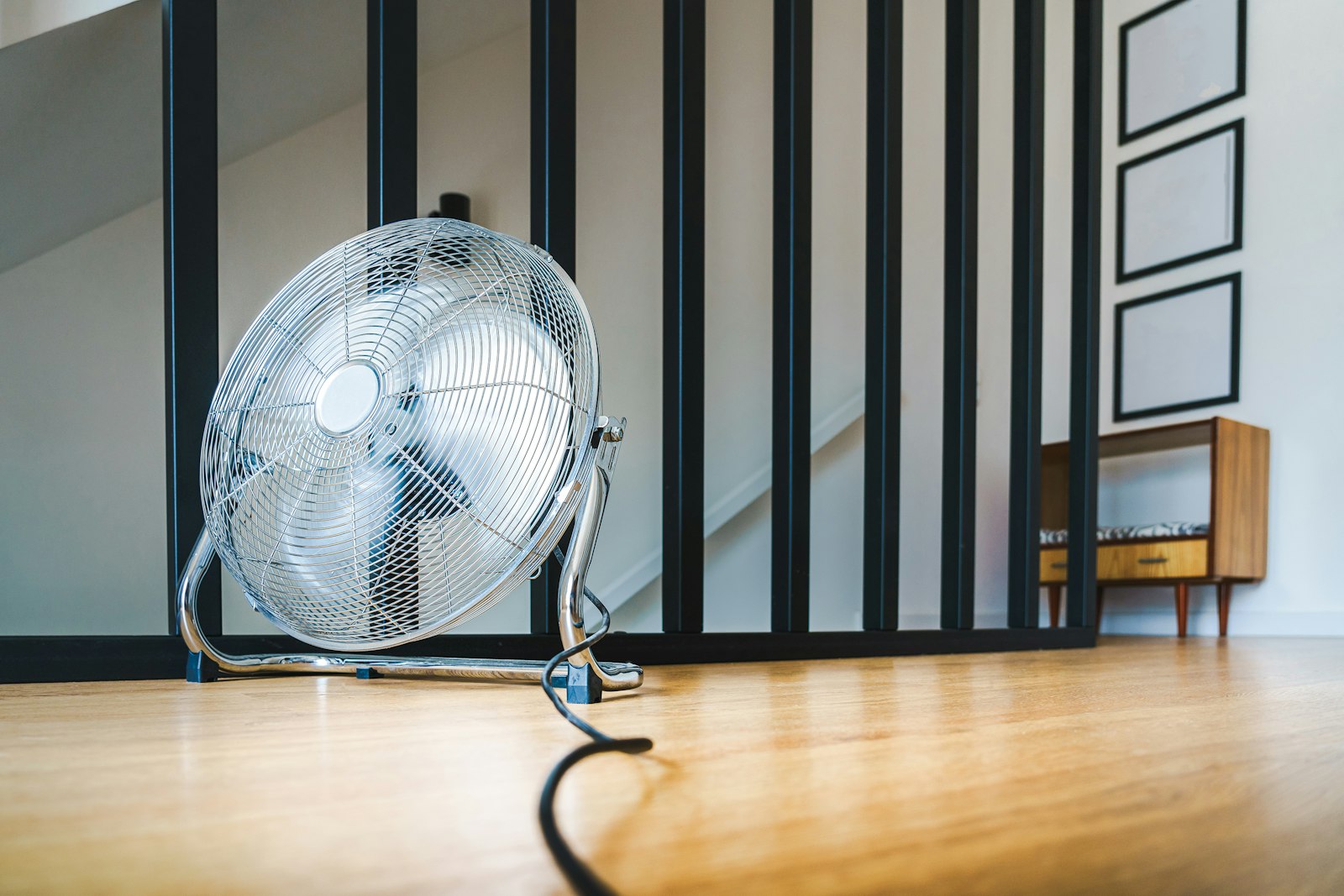
Wet insulation is removed where needed, and the attic, decking, and wall cavities are dried with targeted equipment.
- 4
Interior restoration and documentation
Ruined drywall and insulation are replaced, and the full scope is documented for the insurance claim tied to the storm event.
Cost
What affects the price
Every situation is different — here's what a specialist weighs when planning.
- How far the water traveled inside before discovery
- Attic impact — insulation, decking, and framing condition
- The number of rooms with interior damage
- Mold treatment needs in the attic or wall cavities
- Coordination timing with the roofing repair
The only way to know your price is a written quote — they're free.
Safe to DIY
- Place buckets under active drips and move valuables
- Photograph stains and damage after each storm
- Check the attic for daylight through the roof boards — from a safe position
- Note which storms caused the leak — dates help insurance claims
- Keep gutters clear so water sheds properly
When to call a specialist immediately
- Do not climb on a wet or storm-damaged roof yourself
- Do not ignore a small stain — roof leaks worsen with every storm
- Do not let interior damage sit while waiting on the roofer — dry it now
- Do not seal the interior before the roof is fixed — trapped water breeds mold
- Do not assume one stain means one leak — water travels along framing
FAQ
Roof Leak Water Damage questions
Your restoration contractor handles the interior water damage — drying, drywall, insulation, and mold prevention. The roof repair itself is a roofer's trade; the two are sequenced so the interior is dried and protected while the roof gets fixed.
Water runs along rafters, decking, and framing before dripping down — often many feet from where it entered. Moisture meters and attic inspection trace it back to the source.
Sudden storm damage to the roof and the resulting interior water damage are typically covered; gradual wear and neglected maintenance usually are not. Document each storm event and the damage that followed.