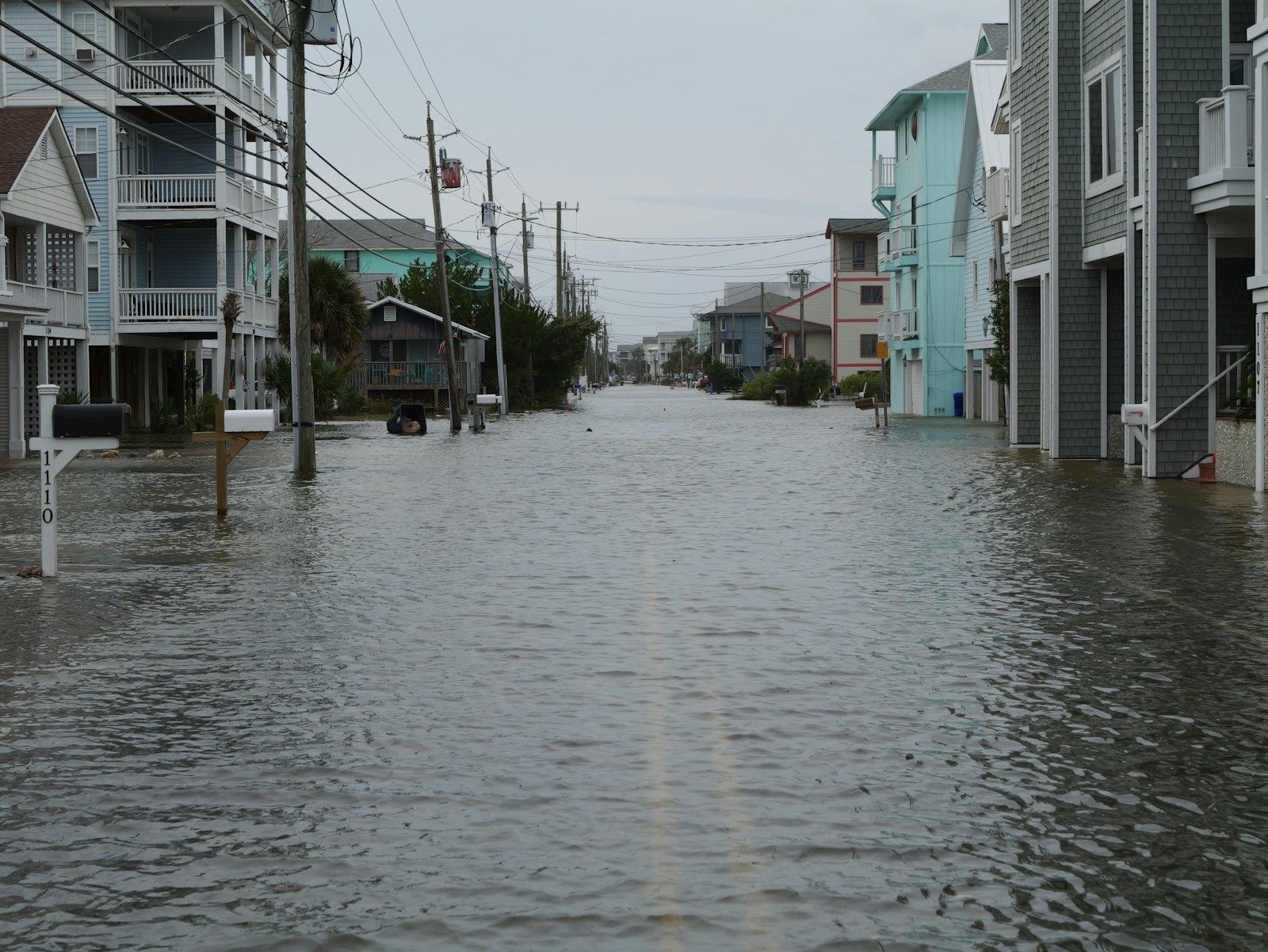
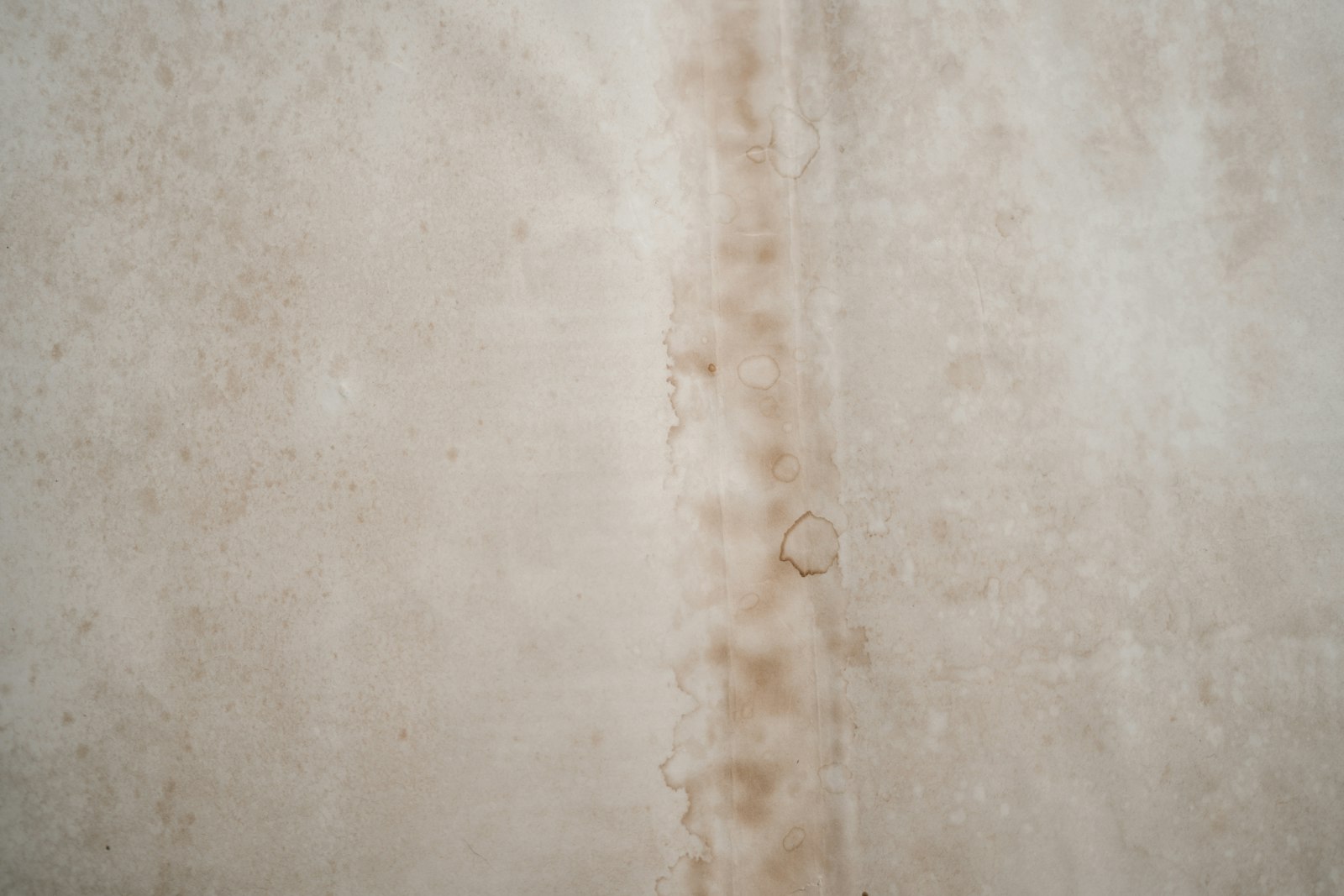
After a Houston storm or a burst pipe, the difference between a smooth claim and a denied one is usually documentation. Adjusters decide based on evidence: dated photos, moisture readings, room-by-room scopes of damaged materials, and logs of the mitigation work. Homeowners who start cleanup without recording anything often discover too late that the proof is gone.
BayouDry connects you with a local restoration contractor who builds your claim file as the work happens — documenting the damage before mitigation, the moisture levels during drying, and the full scope of what must be repaired. The contractor is not a public adjuster and does not negotiate with your insurer; they produce the professional evidence that you, your adjuster, or your public adjuster work from.
Insurance Claims Documentation at a glance
- Best for
- You are about to file a water damage claim
- Includes
- Inspection, extraction, drying, repairs
- Service area
- Houston & 15 more Greater Houston cities
- Quote
- Free, written, no obligation
Signs
Signs you need insurance claims documentation
You are about to file a water damage claim
Documentation starts before mitigation, not after. A contractor records the damage in its original state — the evidence your claim depends on.
An adjuster is scheduled to visit
A professional documentation package gives the adjuster everything needed to scope the loss accurately on the first visit.
A previous claim was underpaid or denied
Many denials and underpayments come down to insufficient evidence of the damage's extent. Professional documentation supports appeals and supplemental claims.
Damage spans multiple rooms or systems
Multi-room losses are hard to document completely on your own. A contractor inventories each area systematically.
You need a professional scope of work
A line-by-line scope of damaged materials and required repairs is the foundation of any serious claim — and of any contractor bid that follows.
Process
What the specialist does, step by step
- 1
Full damage documentation
Dated photos and video capture every affected area before mitigation begins, preserving the evidence in its original state.
- 2
Moisture mapping and readings
Meter readings and thermal imaging document exactly what is wet — objective data an adjuster can verify.
- 3
Detailed scope of work
A room-by-room scope lists damaged materials and required repairs, with contents inventoried where applicable.
- 4
Claim-ready file handoff
Photos, readings, scope, work logs, and receipts are organized into a file built for adjusters — and for supplements if the first estimate falls short.
Cost
What affects the price
Every situation is different — here's what a specialist weighs when planning.
- The extent and complexity of the damage
- The number of rooms, systems, and contents involved
- Contents inventory — individual item documentation for larger losses
- New claim versus supplemental documentation for an existing claim
- Coordination needed with your adjuster
The only way to know your price is a written quote — they're free.
Safe to DIY
- Photograph and video everything before moving or discarding anything
- Keep a written timeline — when you discovered the damage, what you did
- Save receipts for emergency expenses like tarping or water shutoff
- Make a room-by-room list of damaged items
- Keep samples of damaged materials like flooring or drywall
When to call a specialist immediately
- Do not discard damaged items before the adjuster documents them
- Do not start permanent repairs before documenting — emergency mitigation is fine, rebuilds wait
- Do not sign anything from the insurer you do not understand
- Do not exaggerate damage — it undermines legitimate claims
- Do not assume the first adjuster estimate is final — supplements are common
FAQ
Insurance Claims Documentation questions
No. Your restoration contractor documents the damage and the work performed; a public adjuster negotiates with the insurer on your behalf. The contractor's documentation is what both you and any adjuster work from.
Dated photos and video, moisture meter readings, a room-by-room scope of damaged materials, equipment and work logs, and receipts — organized so an adjuster can verify the loss efficiently.
Often. Many denials and underpayments come down to insufficient evidence of the damage's extent. A professional documentation package supports appeals and supplemental claims — though outcomes always depend on your policy.