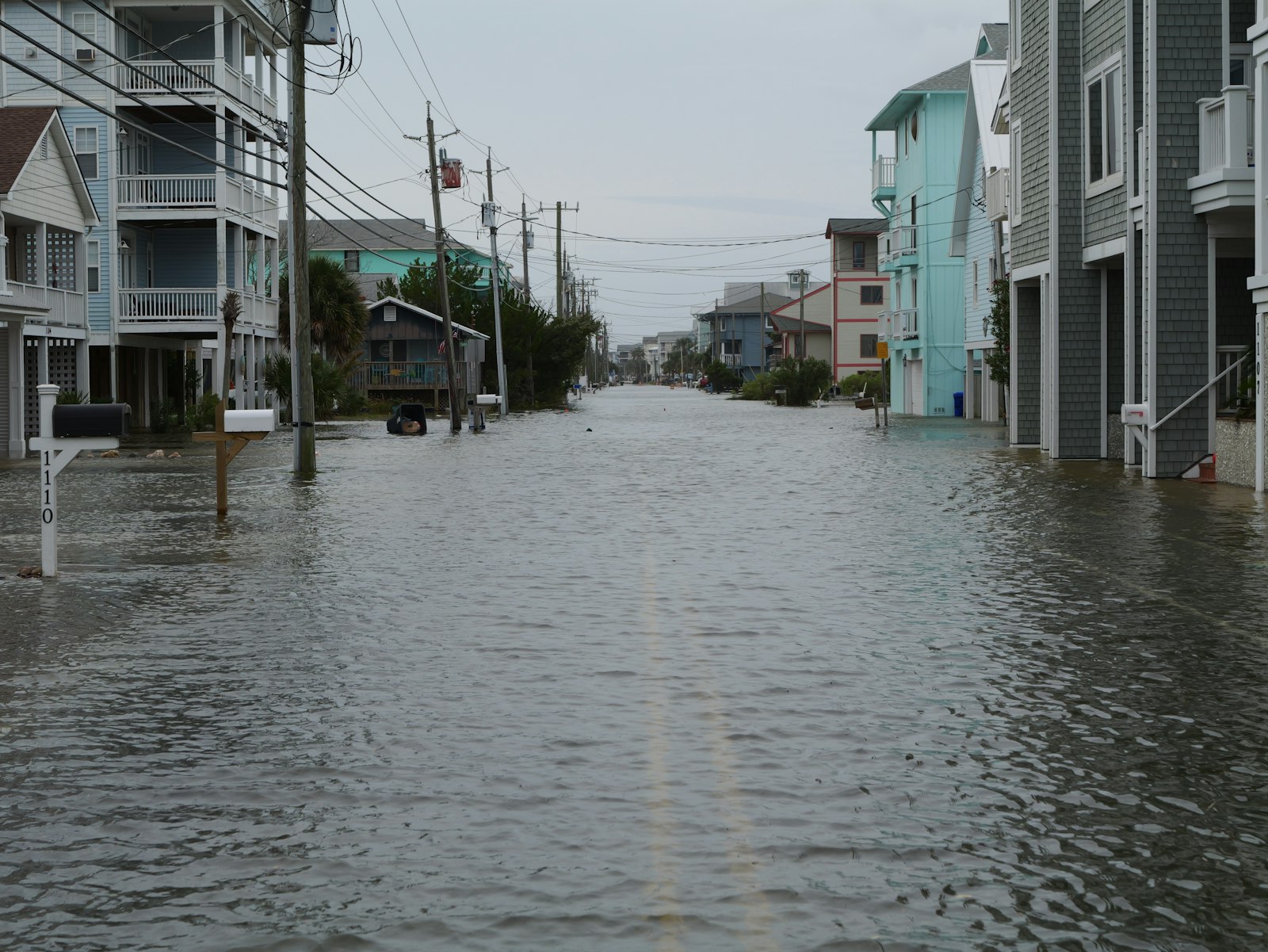
A flooded office on a Monday morning, a restaurant with water under the dining room, a warehouse near the Ship Channel taking storm water, a burst pipe in a multi-tenant building — commercial water damage in Houston is measured in downtime as well as dollars. Every hour closed is revenue lost, and tenants, customers, and employees all need answers fast.
Commercial restoration is phased around your business: work zones keep unaffected areas operational, disruptive steps are scheduled after hours where possible, and documentation is built for business interruption claims from the start. BayouDry connects you with a local restoration contractor experienced in commercial properties — one who understands that getting you back open is the job, not just getting you dry.
Commercial Water Damage at a glance
- Best for
- A leak or flood in a tenant space
- Includes
- Inspection, extraction, drying, repairs
- Service area
- Houston & 15 more Greater Houston cities
- Quote
- Free, written, no obligation
Signs
Signs you need commercial water damage
A leak or flood in a tenant space
Water in one unit affects neighbors, common areas, and the building's systems. Multi-tenant properties need coordinated response, not piecemeal fixes.
Storm water entered the building
Houston storms push water into lobbies, ground-floor retail, and loading docks. Storm water is treated as contaminated, which changes the handling.
A burst pipe or failed water heater
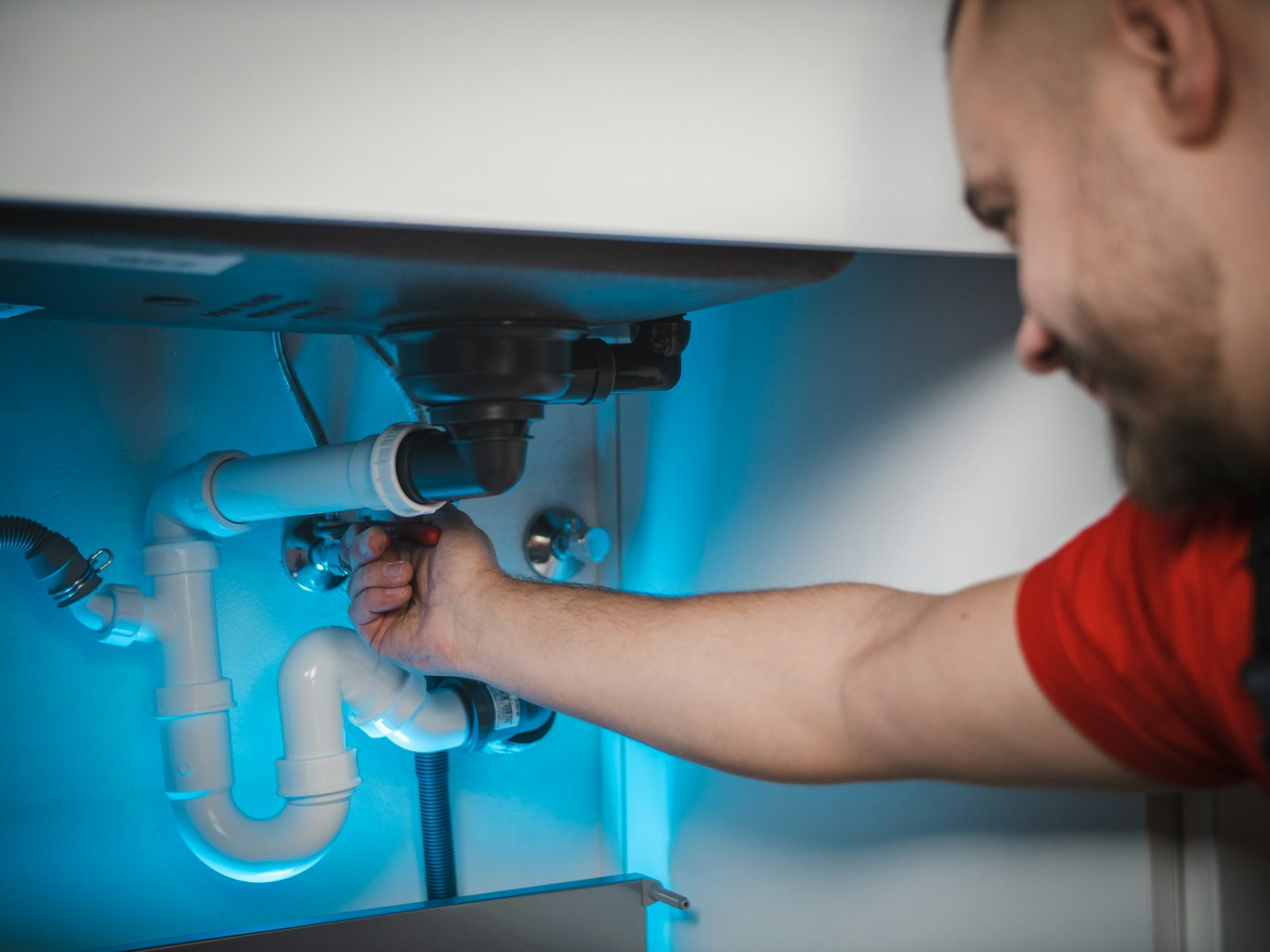
Commercial buildings concentrate risk — large water heaters, long pipe runs, sprinkler systems. One failure can affect multiple floors.
Sprinkler malfunction or accidental discharge
A discharged sprinkler head releases a large volume fast. The water is clean, but the volume and spread demand professional extraction and drying.
Recurring moisture in a commercial building
Chronic dampness in a building — around foundations, in basements, near loading areas — signals a systemic issue that needs professional assessment.
Process
What the specialist does, step by step
- 1
Rapid assessment and triage
The contractor assesses the full extent, identifies what threatens operations most, and sequences the work to protect revenue first.
- 2
Phased extraction and drying
Water is extracted and drying equipment is placed in zones, so unaffected areas of the business stay operational during remediation.
- 3
Content and inventory protection
Inventory, equipment, electronics, and documents are moved, protected, or inventoried — with a record suitable for insurance.
- 4
Documentation and handoff
Moisture readings, photos, work logs, and equipment records are compiled into a file built for commercial and business interruption claims.
Cost
What affects the price
Every situation is different — here's what a specialist weighs when planning.
- The size of the affected commercial space
- Operational impact — phased work around your business versus full shutdown
- The type of finishes and contents involved
- After-hours or weekend scheduling needs
- Documentation required for business interruption claims
The only way to know your price is a written quote — they're free.
Safe to DIY
- Shut off the water source if it is safe and accessible
- Move inventory, electronics, and documents away from water
- Photograph everything for insurance and landlord records
- Notify your property manager and insurer promptly
- Keep staff and customers away from wet areas
When to call a specialist immediately
- Do not let employees handle contaminated water — standing water may be unsafe
- Do not reopen wet areas to customers before they are verified dry
- Do not delay documentation — commercial claims need thorough records
- Do not run the HVAC over wet commercial spaces without assessment
- Do not attempt large-scale extraction with consumer equipment
FAQ
Commercial Water Damage questions
Work is phased — your contractor dries and restores in zones so unaffected areas stay operational, and schedules disruptive steps around your hours where possible.
Yes. Commercial restoration is routinely scheduled evenings and weekends to avoid business disruption — discuss timing with your contractor during the assessment.
Moisture readings, photos, a record of the work performed, and equipment logs — the paper trail your insurer and property manager expect for a commercial claim.