prevention
Hurricane & Flood Preparation for Houston Homes
Updated 2026-10-13
Short answer
Houston homeowners should prepare for flooding as a when-not-if event: know your flood zone, keep important documents and valuables above potential water lines, maintain gutters and drainage, and have a plan for shutting off utilities and evacuating. Standard homeowners insurance does not cover rising floodwater, so review your flood insurance before hurricane season. When water enters, the same rules apply as any flood: make it safe, document everything, and call a restoration contractor fast.
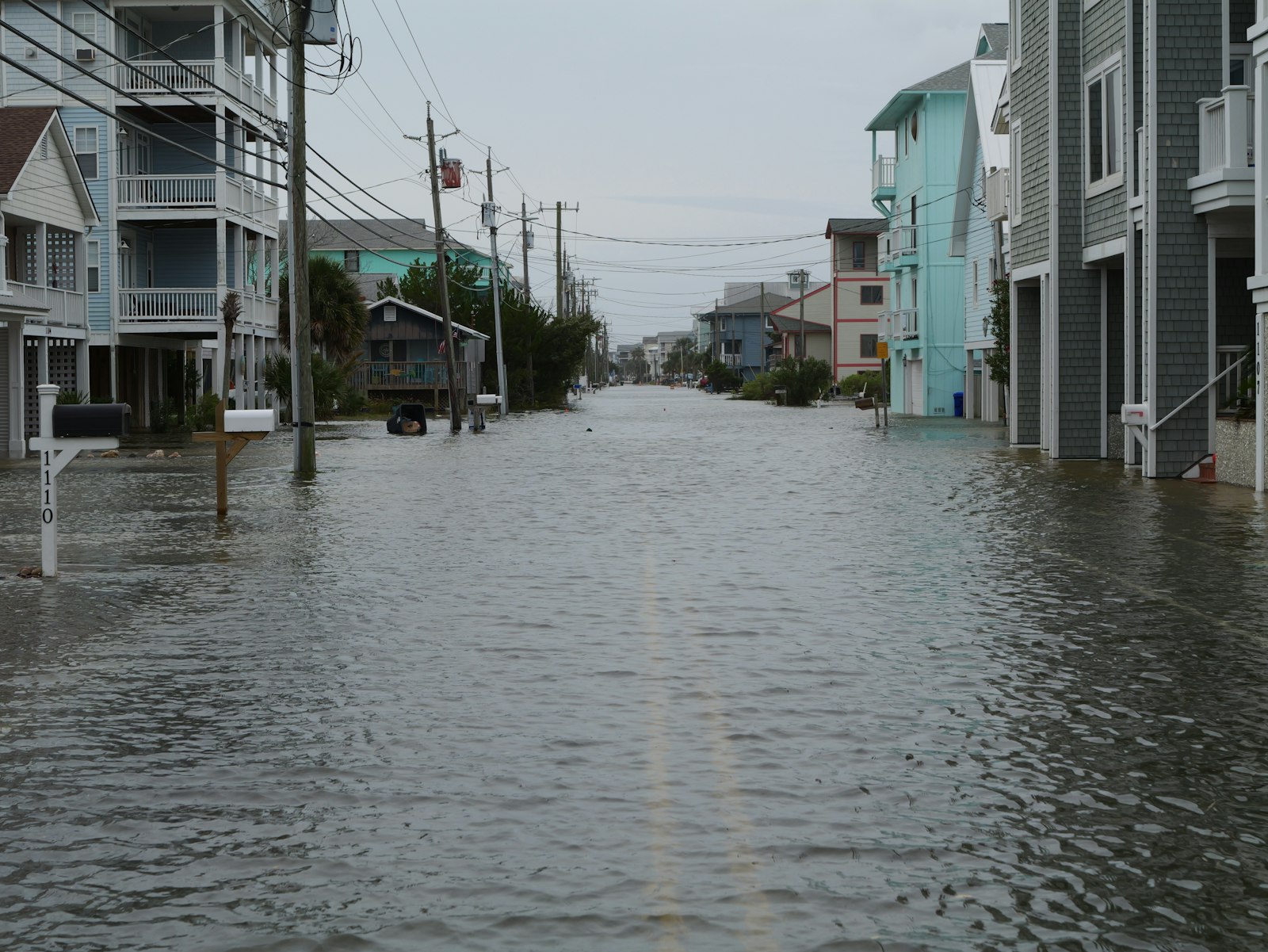
Know your flood risk before hurricane season
Start with your flood zone. FEMA flood maps show whether your property sits in a high-risk zone, but Harvey taught Houston that water does not read maps — many flooded homes were outside the mapped high-risk areas. Treat any home in the metro as having real flood exposure.
Learn how your street and home have behaved in past storms. Neighbors who have lived through floods know which intersections pond, how fast the bayous rise, and how deep water got in your specific block. Local knowledge beats generic advice every time.
Check your flood insurance well before a storm is forecast — policies typically have a waiting period before coverage begins, so buying after a hurricane enters the Gulf is too late. Review what it covers and what it does not, and photograph your home's contents for your records now, while everything is dry.
Prepare the house before the storm
Clear gutters, downspouts, and yard drains so rainwater moves away from the foundation instead of pooling against it. Check that downspouts discharge several feet from the house and that the ground slopes away from the foundation.
Move valuables, documents, and electronics to the highest practical level — upper floors, high shelves, or waterproof containers on tables rather than the floor. Waterproof bags for documents, medications, and chargers cost little and save a great deal.
If your area floods regularly, consider flood barriers for doorways and garage entries, and know how your sump pump or drainage setup behaves under heavy rain. Test battery backups before the season starts. Know where your main water shutoff and breaker panel are, and plan evacuation routes in advance — decide your trigger point for leaving before the water decides for you.
- Clear gutters and drains; grade soil away from the foundation
- Move valuables and documents above likely water lines
- Test sump pumps and battery backups before hurricane season
- Know your shutoffs and evacuation trigger point in advance
When the water comes in
If water enters the house, safety comes first: turn off power to flooded areas at the breaker if you can do so without walking through water. Never step into water that may be in contact with electrical systems.
Do not wade into floodwater to save belongings. Floodwater in Houston can carry sewage, chemicals, and debris, and it moves with surprising force even at shallow depths. Property is replaceable; you are not.
If you must shelter in place with water in the home, stay on upper levels, keep everyone out of the water, and wait for conditions to improve. Document damage with photos and video as soon as it is safe — water lines on walls and the high-water mark are critical evidence for any claim.
After the water recedes: the first steps
Photograph everything before you start cleaning: water lines, damaged flooring and walls, ruined belongings, and the state of each room. This documentation is the foundation of any insurance claim and the contractor's assessment.
Remove standing water if it is safe to do so, and get air moving — but do not assume the job is drying on its own. Floodwater soaks into drywall, insulation, subflooring, and framing, and materials that look dry on the surface can hold moisture for weeks. Professional moisture mapping finds what eyes cannot.
Call a restoration contractor quickly. Flood cleanup involves contaminated water, material removal, and antimicrobial treatment — it is not a DIY job. BayouDry connects you with independent local restoration contractors experienced in flood damage cleanup: extraction, drying, removal of contaminated materials, and rebuild.
Flood insurance: the Houston reality
Standard homeowners insurance excludes rising floodwater — this surprises homeowners after every major storm. Flood insurance, usually through the National Flood Insurance Program, is the coverage that pays for flood losses, and it has a waiting period, so it must be purchased before a storm threatens.
Even if you are not in a mapped high-risk zone, weigh the cost against the risk. In Houston, a significant share of flood claims come from outside high-risk zones. Your agent can quote it; the question is whether you can afford to be wrong about not having it.
Keep your policy documents with your emergency supplies, not in a filing cabinet on the ground floor. When the water comes, you will want the policy number, the agent's phone number, and the claims line within arm's reach.
Common questions
No — standard homeowners policies exclude rising floodwater, including storm surge and bayou overflow. Wind-driven rain that enters through storm-damaged roofing is generally covered, but water that rises from the ground requires separate flood insurance.
As soon as it is safe. Floodwater is contaminated, and every day it sits in the structure increases material removal, mold risk, and rebuild scope. Call once you can safely assess — contractors prioritize by severity and can advise you over the phone.
Small amounts of clean rainwater intrusion can sometimes be handled with thorough drying, but actual floodwater is contaminated and requires professional extraction, removal of affected porous materials, and antimicrobial treatment. Hidden moisture in walls and subflooring will not dry on its own and becomes a mold problem.