Carpet and pad act like a sponge, and on Houston's slab-on-grade homes there is nowhere for the water to go but sideways — wicking across rooms from a single leak point. A carpet that feels merely damp on top can hold gallons in the pad underneath, pressed against a concrete slab that keeps it wet for weeks.
Professional extraction pulls water from the carpet fibers, the pad, and the subfloor surface in one pass — something rental machines cannot do. The pad is usually discarded and replaced: it is inexpensive, nearly impossible to fully dry, and the leading cause of mold under carpet. BayouDry connects you with a local restoration contractor who extracts deeply, dries the subfloor, and tells you honestly whether the carpet itself can stay.
Carpet Water Extraction at a glance
- Best for
- Carpet squishes underfoot
- Includes
- Inspection, extraction, drying, repairs
- Service area
- Houston & 15 more Greater Houston cities
- Quote
- Free, written, no obligation
Signs
Signs you need carpet water extraction
Carpet squishes underfoot
A squishy carpet means the pad is saturated. The longer it sits, the more the subfloor absorbs — and the worse the outcome for the carpet.
A leak or flood reached carpeted rooms
Water travels under carpet far beyond the visible wet area. A contractor maps the full extent rather than treating only what you can see.
Musty smell rising from the carpet
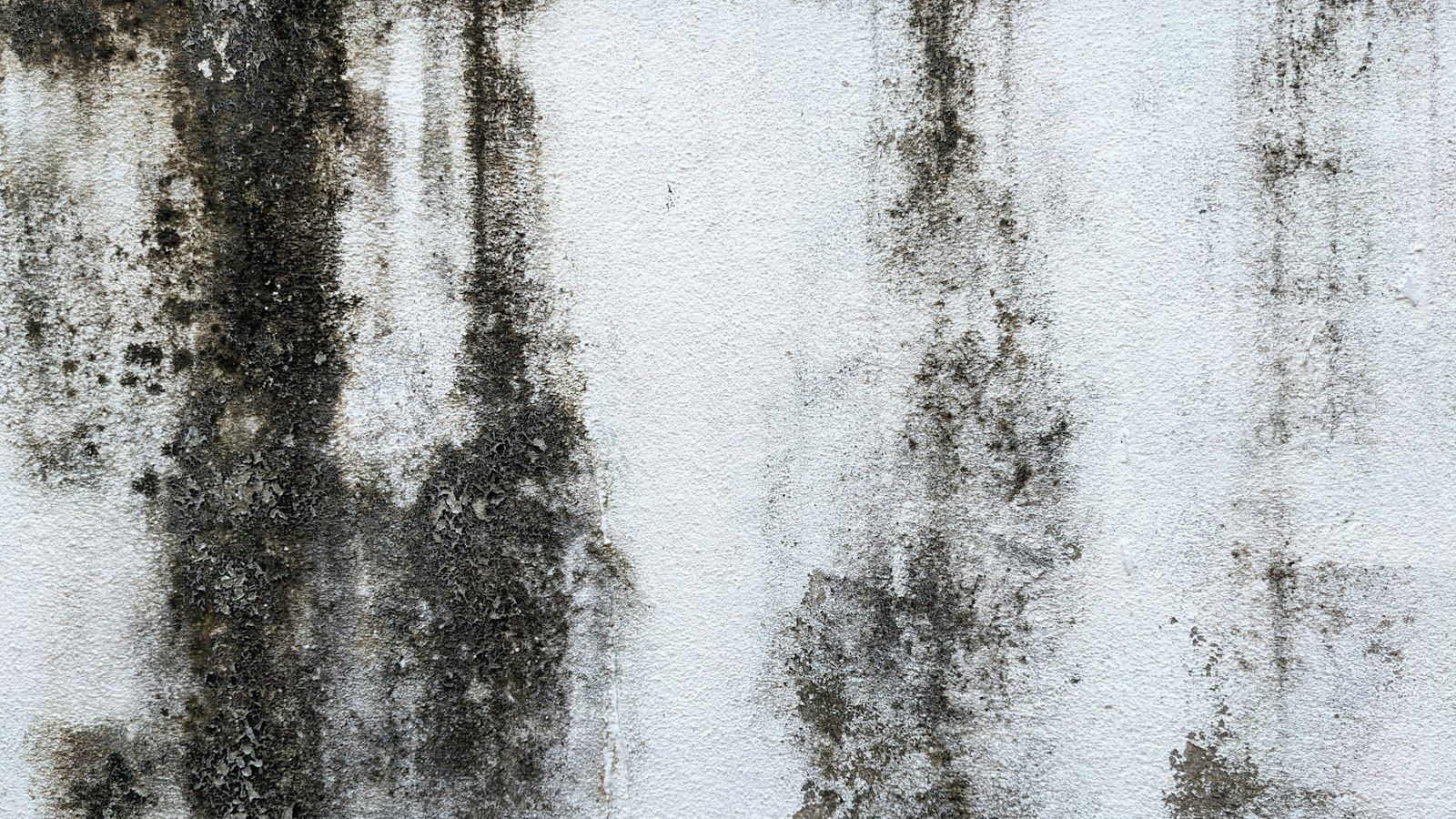
Odor from carpet after water exposure means the pad or subfloor is still wet — or already growing mold. Surface drying will not fix it.
Carpet is discolored or rippling
Discoloration marks contamination or dye damage; rippling means the backing has been compromised by moisture. Both need professional assessment.
Previous water damage was never extracted
Carpet that got wet before and was left to air-dry often hides mold in the pad. A contractor checks what the last event left behind.
Process
What the specialist does, step by step
- 1
Water extraction
Professional extractors pull water from the carpet, the pad, and the subfloor surface — the deep extraction rental machines cannot achieve.
- 2
Pad evaluation
The pad is inspected and, in most cases, removed and discarded. It is cheap to replace and nearly impossible to dry once saturated.
- 3
Subfloor drying
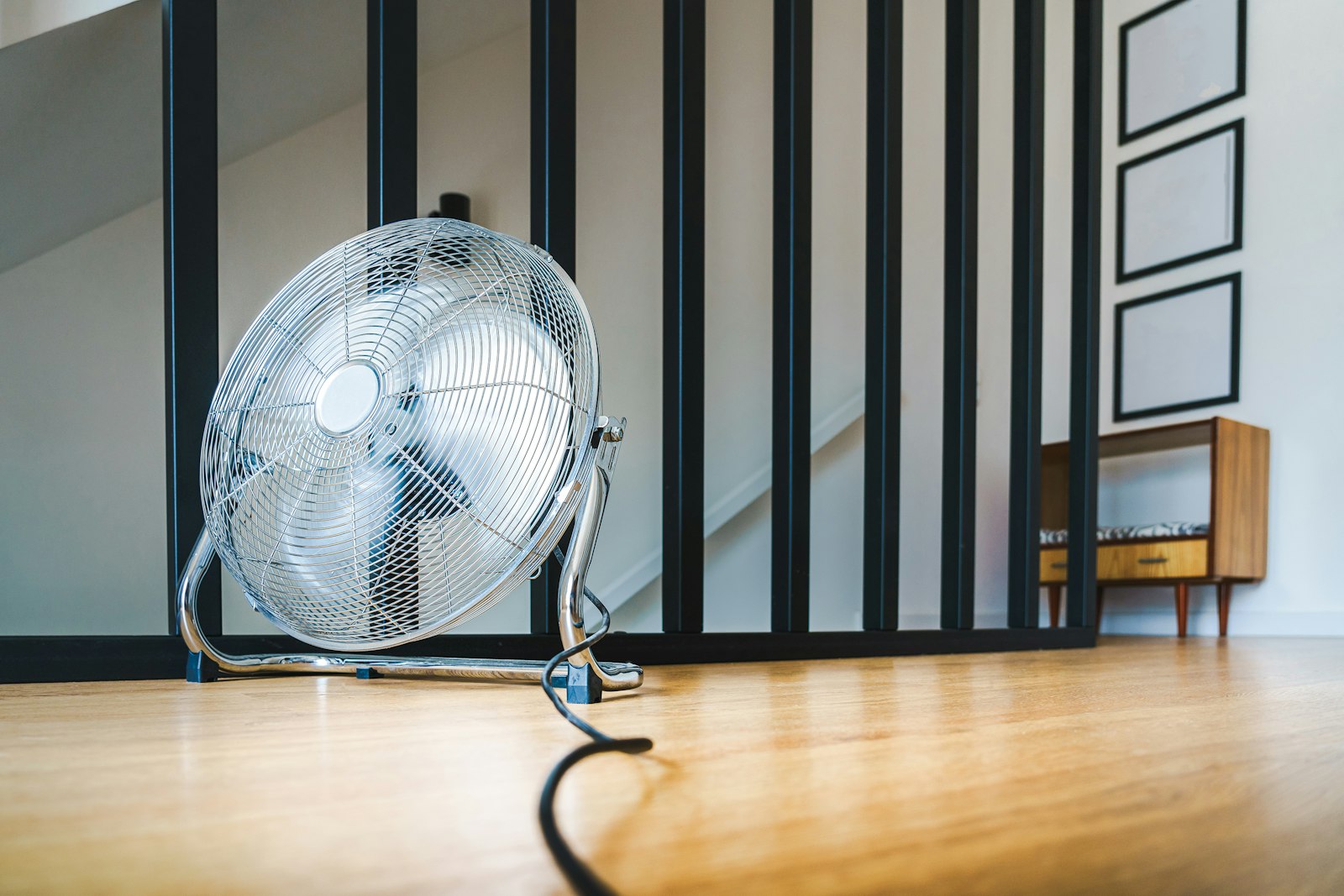
The exposed subfloor — concrete slab or wood — is dried with air movers and dehumidifiers, then verified with moisture readings.
- 4
Cleaning and reinstallation decision
Salvageable carpet is cleaned and reinstalled over new pad; carpet that cannot be saved is documented for the insurance claim.
Cost
What affects the price
Every situation is different — here's what a specialist weighs when planning.
- The square footage of affected carpet
- Pad replacement — in most cases the pad is discarded and replaced
- The water category — clean, gray, or black water change the approach
- Subfloor drying needs, especially on concrete slab
- In-place drying versus lifting the carpet to dry the subfloor
The only way to know your price is a written quote — they're free.
Safe to DIY
- Blot — do not rub — standing water with towels
- Lift furniture onto blocks or foil to prevent staining
- Remove small rugs and place them to dry elsewhere
- Run the AC to lower indoor humidity
- Photograph the damage
When to call a specialist immediately
- Do not use a rental carpet cleaner on floodwater — it cannot extract deeply enough
- Do not leave wet pad under carpet hoping it dries — it will not, and mold follows
- Do not walk on wet carpet more than necessary — it damages the backing
- Do not apply heat directly to carpet
- Do not reinstall or stretch carpet before the subfloor is verified dry
FAQ
Carpet Water Extraction questions
Often, if the water was clean and extraction starts quickly. The pad underneath is usually discarded — it is inexpensive and nearly impossible to fully dry. Contaminated water from sewage or flooding means the carpet goes too.
Carpet pad is a sponge that traps water against the subfloor. It dries too slowly to prevent mold, and it is cheap to replace — drying the carpet over a new, dry pad is the standard approach.
Once extraction and drying are complete and moisture readings confirm the carpet and subfloor are dry — your contractor verifies this with meters. Rushing it risks mold under a carpet that feels dry on top.